Most Research Chimps Should Be Retired: US Panel

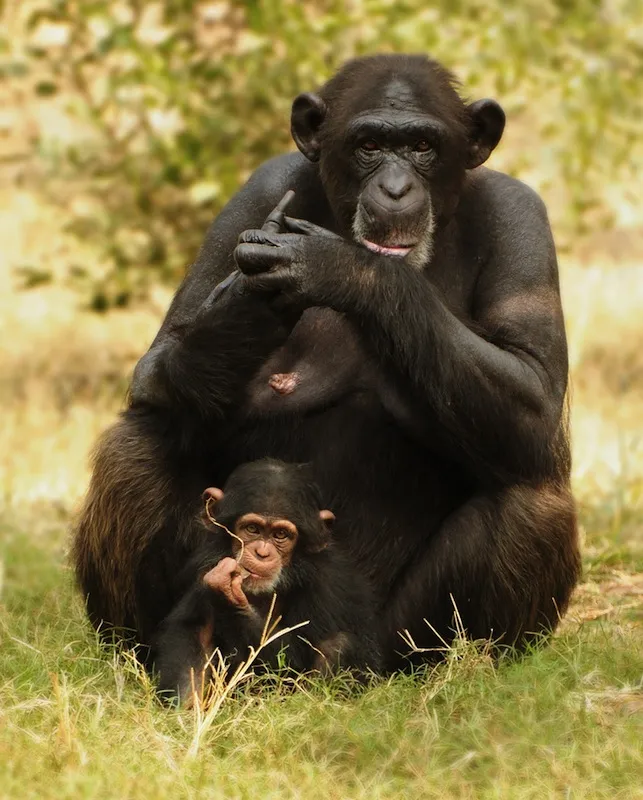
A majority of the chimpanzees used for research by the U.S. National Institutes of Health (NIH) should be retired, a government panel concluded this week.
The report issued by a working group within the NIH's Council of Councils said a small population of 50 chimpanzees should be kept for future research, while planning should start immediately to put retired apes in sanctuaries.
The panel had been tasked to advise the NIH on what to do with the agency's 360 chimpanzees that aren't retired and still live at research facilities after the Institute of Medicine (IOM) issued a report over a year ago concluding that most biomedical research on the primates was not necessary.
Article continues belowWhile recommending most research on chimps be phased out, the IOM report also put forth a new, narrower set of criteria for future research on chimpanzees. It said the knowledge gained by the research must be necessary to advance public health; the research cannot ethically be done on a human being, or is not possible on another animal model; and the chimpanzees used in the research must be given appropriate places to live.
Officials at Chimp Haven, a sanctuary outside Shreveport, La., that's likely to take on many of the retirees, applauded the move.
"We look forward to working closely with the NIH to devise a strategy to retire these chimpanzees to Chimp Haven," Jennifer Whitaker, vice president of the organization said in a statement.
Follow LiveScience on Twitter @livescience. We're also on Facebook & Google+.
Get the world’s most fascinating discoveries delivered straight to your inbox.
