













New Bug Species Found in Photos Online

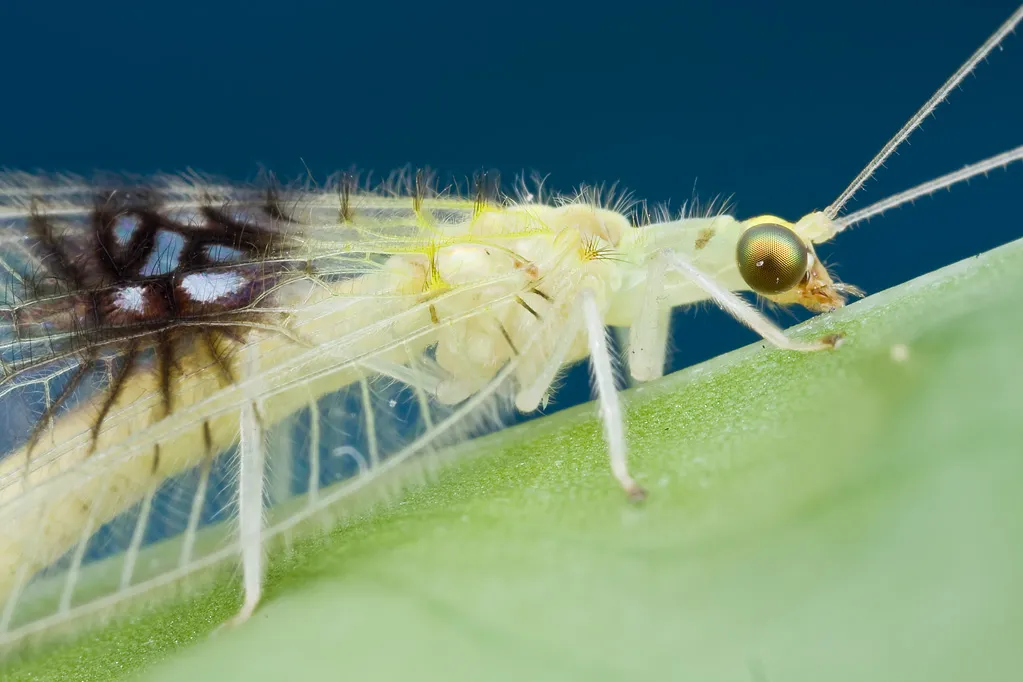
A new species of green lacewing was identified in the Malaysian rainforest after pictures of the delicate insect were posted online.
By chance, a researcher from the California State Collection of Arthropods came across a series of images of an unusual green lacewing on the photo-sharing website Flickr. The insect was not immediately recognizable as any previously described species, the researchers explained in a paper in the journal ZooKeys. Professional taxonomists then analyzed the photos and determined that the winged creature was likely a new species.
Researchers contacted the photographer and collected a female specimen from the Malaysian state of Selangor to formally describe the new species, named Semachrysa jade. An additional female specimen from the same area also was located in the entomology collection of London's Natural History Museum, the researchers said.
More than 1,200 species of green lacewings have been described worldwide. Adults, which are typically green with large lace-like wings, mostly feed on flowers, while the green lacewing larvae prey on other insects with their sucking, tube-like jaws.
The Semachrysa jade lacewing is bright green and yellow and has distinctive vein markings at the base of its antennae. It also has only two spots across the front of its head and a pointed tuft of bristle-like structures, called setae, on part of its abdomen, the researchers said.
Get the world’s most fascinating discoveries delivered straight to your inbox.
