 Live Science Plus


Alligator or Crocodile?
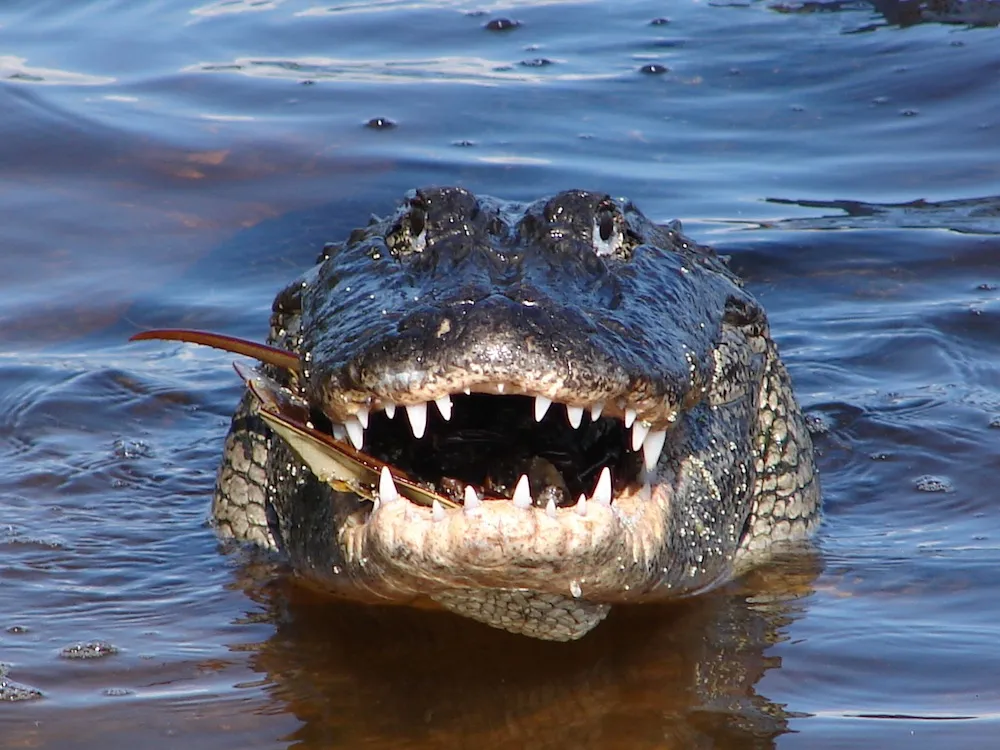
What a Croc!
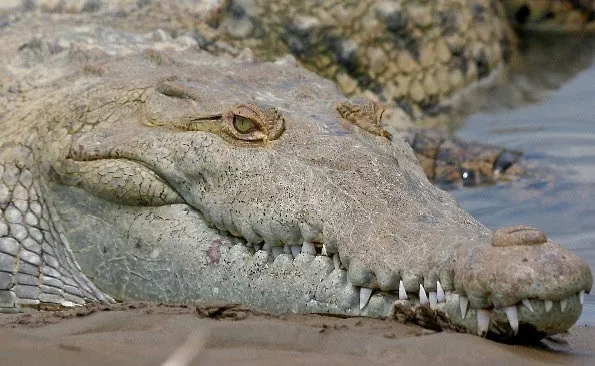
Alligators have wider, U-shaped snouts, while the front end of a croc, like this one, is more pointed and V-shaped.
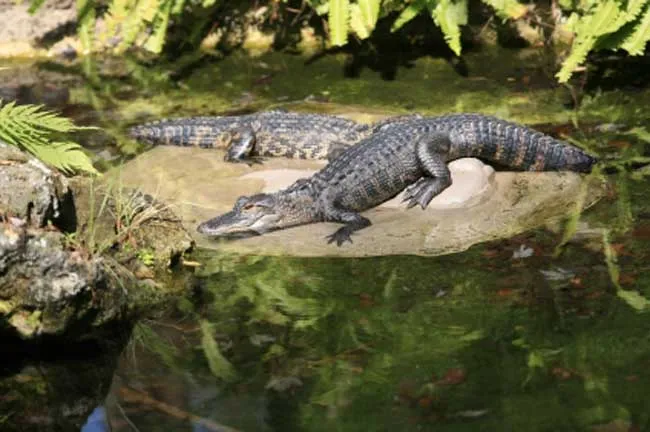
American alligator

When their snouts are shut, crocodiles look like they're flashing a toothy grin, as the fourth tooth on each side of the lower jaw sticks up over the upper lip. For alligators, like this one, the upper jaw is wider than the lower one, so when they close their mouths, all their teeth are hidden.
Albino alligator

A rare albino alligator lacks the pigments that make his relatives gray and green.
Crikey!
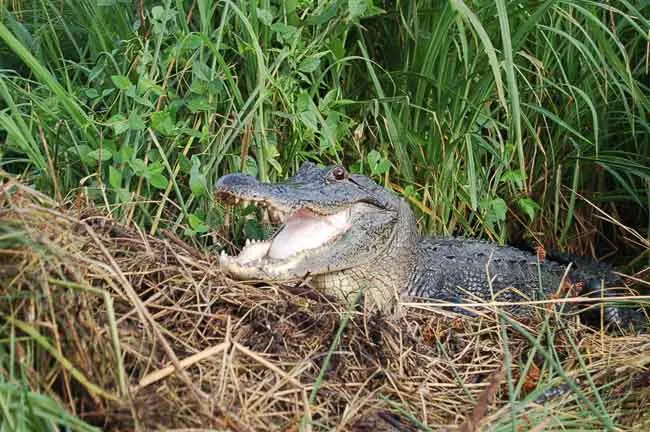
Crocodiles can eat meals weighing 23 percent of their body mass.
Captive Alligators Breed in Wild
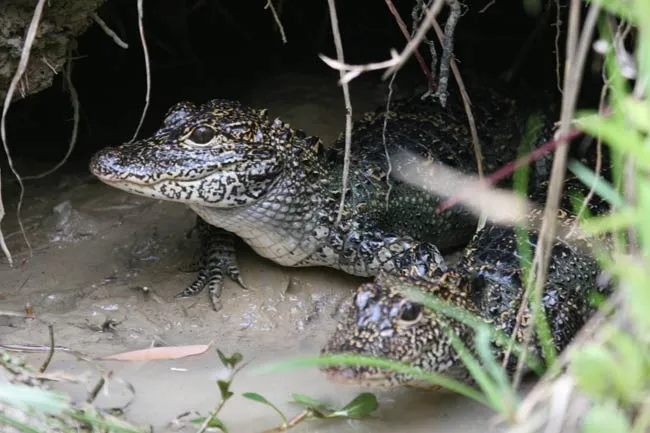
Efforts to reintroduce Chinese alligators, a critically endangered species, into its native habitat have scored a success: baby alligators.
Alligators Surprisingly Monogamous, Study Finds
A study reveals that up to 70 percent of female alligators returned to the same mate for several years.
Swamp Thing

An alligator suns itself at St. Marks National Wildlife Refuge in Florida.
Gator vs. Python

An American alligator fights with an invasive python in Everglades National Park. The gator appears to be winning, but pythons sometimes come out ahead in these struggles and have even eating alligators.
Reptilian struggle

A Burmese python (Python molurus) peeks over the head of an alligator that holds the python's body in its mouth in Everglades National Park. Invasive pythons have clashed with gators in Florida, sometimes eating the toothy reptiles.
Swimming Gator

This American alligator could easily go unnoticed swimming in the dark waters of Big Cypress National Preserve, Florida.

