













Hurricane Forecasts: Quiet in Atlantic, Busy in Pacific

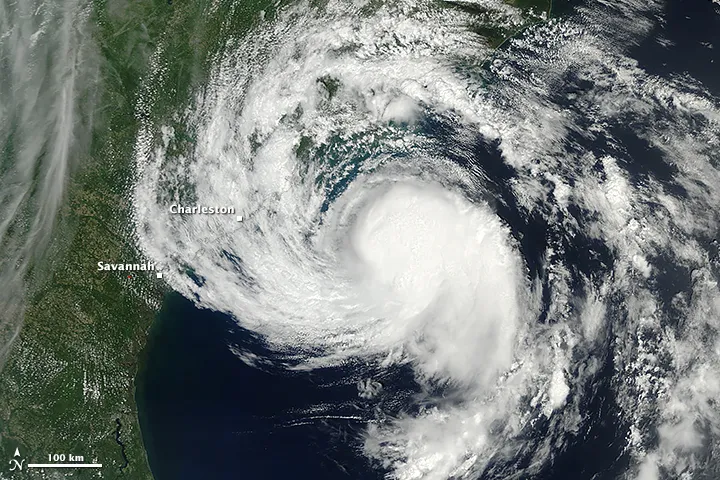
A decade has passed since a major hurricane hit the United States, and forecasters are calling for another quiet hurricane season in the Atlantic this summer.
The outlook for the 2015 Atlantic hurricane season is "below-normal," according to officials with the National Oceanic and Atmospheric Administration (NOAA), the federal agency tasked with studying and tracking severe weather. NOAA forecasters made the announcement at a news conference today (May 27) in New Orleans.
The forecast calls for fewer storms than in 2014, with a total of six to 11 named storms, which includes both tropical storms and hurricanes. Of those storms, between three and six may become hurricanes — organized, rotating storms with sustained winds of 74 mph (119 km/h) or faster. Between zero and two could become major hurricanes, defined as Category 3 storms or above — or those hurricanes with winds of at least 111 mph (179 km/h). [A History of Destruction: 8 Great Hurricanes]
The Atlantic season kicked off early this year with Tropical Storm Ana, which dropped several inches of rain on the Carolinas during the second weekend of May. However, the preseason storm doesn't signal a strong hurricane season to come, officials said. Hurricane season officially begins June 1 and ends Nov. 30.
Forecasters said the Atlantic would see fewer storms this year because of the strengthening El Niño in the Pacific Ocean. The El Niño climate pattern creates winds and dryness in the Atlantic Ocean that make it hard for storms to grow into hurricanes.
"El Niño suppresses hurricane activity mainly during the peak months of the season — August, September and October — when the major bulk of hurricanes form," said Gerry Bell, the lead hurricane season forecaster at NOAA's Climate Prediction Center.
But an El Niño has the opposite effect in the Pacific Ocean, where it boosts storm numbers by providing warm, moist conditions that incubate hurricanes. NOAA's weather experts are predicting a repeat of last year's busy storm season in the eastern Pacific. The outlook calls for an above-normal season, with 15 to 22 named storms, of which seven to 12 are expected to become hurricanes, including five to eight major hurricanes. In 2014, major hurricanes caused billions of dollars in damage in Mexico and storms also swept across Hawaii and the Southwest, triggering flooding in the United States.
Get the world’s most fascinating discoveries delivered straight to your inbox.
The seasonal forecasts cannot offer predictions about whether any storms will make landfall in the United States, officials said. But the lull in landfalling hurricanes has created a great deal of concern that people have grown complacent about preparing for hurricanes, said Joe Nimmich, deputy administrator of the Federal Emergency Management Agency (FEMA).
"Only one pitch has to get into the strike zone," Nimmich said.
NOAA will also continue to issue its experimental storm-surge forecasts this year. The flood maps show how high the coastal flooding will reach, where the storm surge will hit and when it's going to show up. Drowning is one of the leading causes of death during hurricanes.
Follow Becky Oskin @beckyoskin. Follow Live Science @livescience, Facebook & Google+. Originally published on Live Science.
