













Risperdal (Risperidone): Dosage & Side Effects
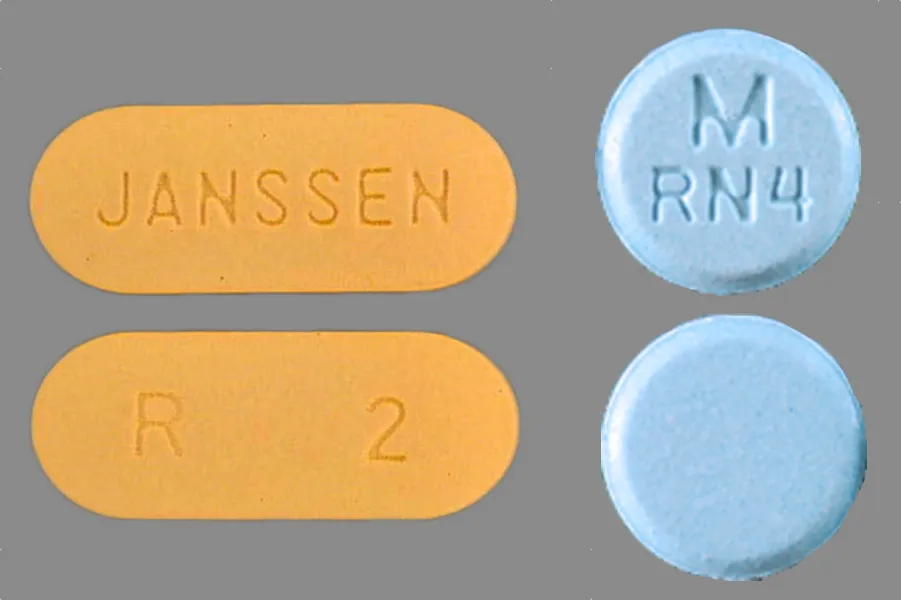
Risperdal (generic name risperidone) is an antipsychotic drug prescribed to treat schizophrenia, bipolar disorder and some behavioral problems in children with autism. It works by changing the effects of chemicals in the brain. It rebalances dopamine and serotonin to potentially improve mood, behavior and thinking.
Risperdal may be used to treat the symptoms of schizophrenia in adults and teenagers over age 13; episodes of mania or mixed episodes (mania and depression happening at the same time) in bipolar adults and children over age 10; and aggression, irritability, self-injury and sudden mood changes in children with autism ages 5 to 16 years old.
"Risperidone is very good antipsychotic medication," said Dr. Ragy Girgis, an assistant professor of psychiatry at Columbia University Medical Center in New York City. "It restores dopamine simulation to normal levels, and that then treats psychotic symptoms, such as hallucinations, manic symptoms such as what one would experience in bipolar disorder and behavioral dysregulation in autistic disorder."
Risperdal is not approved by the Federal Drug Administration to treat behavior problems in adults suffering from dementia. Studies have shown that adults with dementia may have an increased risk of death, stroke or mini-stroke while taking drugs with risperidone. Adults with dementia should tell their doctor if they are taking furosemide (Lasix) and considering taking risperidone.
Dosage
Risperdal is available as a tablet, a liquid to be taken by mouth and an orally disintegrating tablet, according to the U.S. National Institutes of Health (NIH). Typically, it should be taken once or twice a day, at the same times every day. It can be taken with or without food. Those taking the oral liquid should use the provided dropper to measure the dose. It can be taken with water, orange juice, coffee or low-fat milk — but not with tea or cola. Those taking the orally disintegrating tablet should not push the tablet through the foil packaging but peel back the foil and immediately place it on the tongue. Do not crush or chew the tablet.
If a dose is missed, patients should take it as soon as they remember it — unless it is almost time for the next dose. If so, they should skip the missed dose and continue with the regular dosing schedule. No one should take a double dose.
Doctors typically start patients on a low dose and gradually increase it as the body adjusts to the medication. It may take several weeks to experience the full benefit of Risperdal, and it is important to continue taking it even if symptoms cease and the patient feels well. If Risperdal use is immediately stopped without a doctor’s consultation, symptoms may return and the illness may become more difficult to treat in the future.
Get the world’s most fascinating discoveries delivered straight to your inbox.
Depending on their condition, people may take Risperdal for a few months or for their entire lives, Girgis said. It's recommended as a first line treatment for schizophrenia, and often is more effective when it's given earlier — after the person's first schizophrenic episode, for instance, he said.
Side effects
Risperdal may cause side effects. It may cause children to gain weight and for boys and male teenagers to grow or have increased breast size. Parents with children taking Risperdal should talk to their doctor about the risks.
A 2004 study published in the journal Pediatrics showed that Risperdal decreased irritability in children with autism more than a placebo did. However, the children taking Risperdal also gained an average of 6 pounds (2.7 kilograms) during the eight-week study, compared with an average of 2.2 pounds (1 kg) in the placebo group. Other Risperdal side effects included sleepiness and increases in pulse and blood pressure, according to the study.
The NIH lists the following side effects as less serious, but if they become severe or persistent, a doctor should be consulted:
- drowsiness
- dizziness
- nausea
- vomiting
- diarrhea
- constipation
- heartburn
- dry mouth
- increased saliva
- increased appetite
- weight gain
- stomach pain
- anxiety
- agitation
- restlessness
- dreaming more than usual
- difficulty falling asleep or staying asleep
- decreased sexual interest or ability
- breastmilk production
- vision problems
- muscle or joint pain
- dry or discolored skin
- difficulty urinating
The NIH lists the following side effects as serious. If experienced, a doctor should be called immediately:
- fever
- muscle stiffness
- confusion
- fast or irregular pulse
- sweating
- unusual movements of your face or body that you cannot control
- faintness
- seizures
- slow movements or shuffling walk
- rash
- hives
- itching
- difficulty breathing or swallowing
- painful erection of the penis that lasts for hours
There may be some risks to taking Risperdal while pregnant. There have been reports of agitation, tremor, hypertonia, hypotonia, somnolence and feeding disorder in human neonates. It should only be taken during pregnancy if there are no effective alternative treatments, according to the NIH.
Withdrawal symptoms
If a patient stops taking Risperdal suddenly, he or she may relapse and begin experiencing the symptoms that were present before beginning the medication, such as hallucinating or showing irritable behavior. Gradual tapering off of Risperdal use can help reduce these symptoms. Symptoms may vary in severity according to how long Risperdal was taken and in what dose.
Symptoms of withdrawal include:
- insomnia
- irritability
- delusions, hallucinations,
- manic or bipolar symptoms
- depression
A physician may slowly reduce a person's medication, or may replace it with another medication that is better suited for the person, Girgis told Live Science.
Lawsuits
Lawsuits have been brought against Risperdal manufacturer Janssen Pharmaceuticals Inc. and its parent company, Johnson & Johnson, on the grounds of: marketing the antipsychotic drug for non-approved uses, downplaying the risks of the drug and causing male patients to grow breasts (gynecomastia).
On April 11, 2012, an Arkansas judge fined the company $1.2 billion for downplaying the risks of the drug. In August 2012, the company agreed to pay $181 million to 36 states and the District of Columbia to settle claims that the drug had been advertised for non-approved uses including dementia, anxiety and anger management. On Nov. 4, 2013, Johnson & Johnson and Janssen paid $2.5 billion in criminal and civil penalties for concealing the risk of gynecomastia when taking Risperdal. On Jan. 29, 2014, Johnson & Johnson succeeded in overturning a 2012 Louisiana ruling requiring a payment of $257 million for allegedly “making misleading statements that convinced doctors to prescribe the atypical antipsychotic, even though there were less expensive and safer alternatives available,” according to PR Newswire.
Additional resources
- Learn more about Risperdal usage and side effects at the NIH.
- Read about Risperdal's effects in children with autism at the autism news website, SFARI.org.
- Read about what drugs interact with Risperdal at the Mayo Clinic.
Additional reporting by Live Science Staff Writer Laura Geggel. Follow her on Twitter @LauraGeggel. Follow Live Science @livescience, Facebook & Google+.
Jessie Szalay is a contributing writer to FSR Magazine. Prior to writing for Live Science, she was an editor at Living Social. She holds an MFA in nonfiction writing from George Mason University and a bachelor's degree in sociology from Kenyon College.