













Americans Sleep Less than They Think They Do

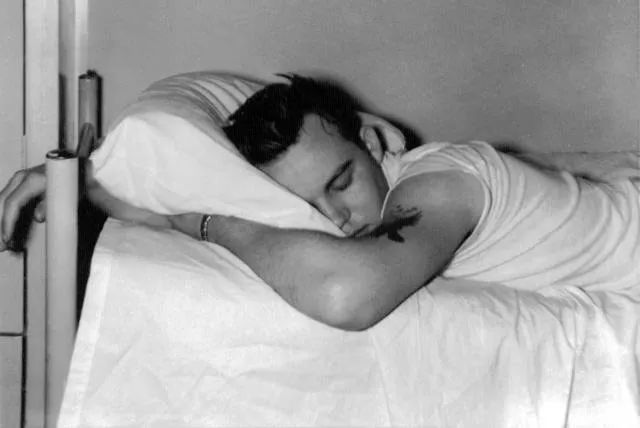
A new study finds people aren't sleeping as much as they report in other studies.
Not wanting to rely just on diaries, researchers attached monitoring devices to 669 middle-age test subjects to record when they actually slept.
Though they spent an average of 7.5 hours a night in bed, the study participants slept just 6.1 hours.
Some studies have suggested many Americans are sleep deprived, though not all researchers buy that claim.
The new study calls the whole field of sleep research into question.
"People don't think they get enough sleep and they get less sleep than they think," said Diane Lauderdale, associate professor of health studies at the University of Chicago and an author of the new study.
Other studies have indicated that average sleep time declined from 9 hours in 1900 to 7 hours in the 1970s, and that things have gotten worse ever since as modern life has become more hectic.
Get the world’s most fascinating discoveries delivered straight to your inbox.
"Our study tells that we can't entirely trust those earlier surveys," Lauderdale said, "because people do not know how much they sleep."
Sleeping patterns varied among the participants:
- White women: 6.7 hours a night
- White men: 6.1 hours
- Black women: 5.9 hours
- Black men: 5.1 hours
The results are detailed in the July issue in the American Journal of Epidemiology.
Average sleep duration in the new study is "remarkably lower" than values reported in most previous studies, writes Stuart Quan of the University of Arizona in a commentary of the research for the journal.
Lack of sleep has been linked to:
- Reduced ability to concentrate
- Decreased attention to detail
- Increased risk of motor vehicle accidents
- Medical problems, including obesity, diabetes and hypertension
The study was supported by the National Institutes of Health, a federal agency.
- The Biggest Popular Myths
- How to Get a Good Night's Sleep
- Sleep Deprivation: The Great American Myth
- Understanding of Human Body Clock Reworked
- Newborn Mammals Don't Sleep for a Month
- Why We Lie

Robert is an independent health and science journalist and writer based in Phoenix, Arizona. He is a former editor-in-chief of Live Science with over 20 years of experience as a reporter and editor. He has worked on websites such as Space.com and Tom's Guide, and is a contributor on Medium, covering how we age and how to optimize the mind and body through time. He has a journalism degree from Humboldt State University in California.