


Overuse of Workout Supplements Highlights Men's Body Image Issues
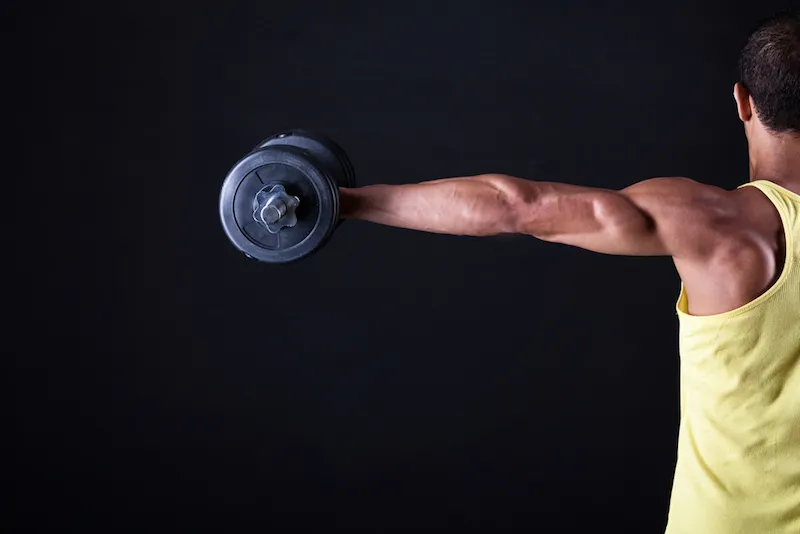
Some men who use excessive amounts of workout supplements such as protein powders and bars may have eating disorders, new research suggests.
Researchers found that, of the 195 men in the study, 29 percent said they were concerned about their own use of workout supplements.
Moreover, 8 percent of the men said their doctor had told them to cut back on workout supplements or stop using them, and 3 percent had been hospitalized for problems with their liver or kidneys due to their use of such supplements.

"These men are using these supplements in a risky way in order to change their bodies," said study author Richard Achiro, a psychotherapist and researcher at Alliant International University's California School of Professional Psychology in Los Angeles.
The new findings suggest that what experts had "historically thought of as eating-disorder behaviors is overlapping significantly with the excessive use of supplements," Achiro said.
In the study, the researchers looked at men ages 18 to 65 who, in the 30 days prior, had consumed over-the-counter supplements that claimed to enhance appearance or workout performance. "We are not talking about bodybuilders, per se," but all of the men in the study did work out at least twice a week, Achiro said.
The participants completed an online survey, answering questions about their use of workout supplements as well as their self-esteem, body image and insecurities about their sense of masculinity, Achiro said. [5 Myths About the Male Body]
Get the world’s most fascinating discoveries delivered straight to your inbox.
The researchers found a significant overlap between men's overuse of supplements and their symptoms of eating disorders, such as having concerns about what to eat or restricting their eating, the researchers said.
About 40 percent of the men said their use of workout supplements had increased over time, according to the study, presented today (Aug. 6) at the American Psychological Association's annual meeting in Toronto.
The researchers found that the men's excessive use of supplements was driven by a combination of factors, including dissatisfaction with their bodies, low self-esteem and a sense of not being able to live up to the standards of masculinity in modern culture. "Historically, it was women's bodies that were objectified more in the media, but men's bodies are catching up, and they are being more often objectified in the media," Achiro said.
The problem of excessive use of workout supplements in men may have been overlooked in the past, because men who overuse such supplements often strive for a look that is muscular, lean and misleadingly healthy-looking.
"These men look physically very healthy, but they might be driven in a way that's pathological," Achiro told Live Science.
Follow Agata Blaszczak-Boxe on Twitter. Follow Live Science @livescience, Facebook & Google+. Originally published on Live Science.