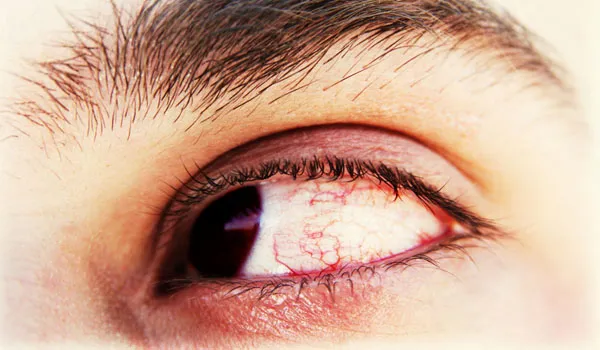
What Causes Eye Flashes and Floaters?
Get the world’s most fascinating discoveries delivered straight to your inbox.
You are now subscribed
Your newsletter sign-up was successful
Want to add more newsletters?
Delivered Daily
Daily Newsletter
Sign up for the latest discoveries, groundbreaking research and fascinating breakthroughs that impact you and the wider world direct to your inbox.
Once a week
Life's Little Mysteries
Feed your curiosity with an exclusive mystery every week, solved with science and delivered direct to your inbox before it's seen anywhere else.
Once a week
How It Works
Sign up to our free science & technology newsletter for your weekly fix of fascinating articles, quick quizzes, amazing images, and more
Delivered daily
Space.com Newsletter
Breaking space news, the latest updates on rocket launches, skywatching events and more!
Once a month
Watch This Space
Sign up to our monthly entertainment newsletter to keep up with all our coverage of the latest sci-fi and space movies, tv shows, games and books.
Once a week
Night Sky This Week
Discover this week's must-see night sky events, moon phases, and stunning astrophotos. Sign up for our skywatching newsletter and explore the universe with us!
Join the club
Get full access to premium articles, exclusive features and a growing list of member rewards.
Undulating like strands of kelp drifting on a minuscule ocean, "eye floaters" can be annoying. Sooner or later 70 percent or so of us will endure eye floaters or their pesky cousins, eye flashes.
Although a variety of medical conditions can cause floaters and flashes, the most common culprits are iffy connections between the back of the eye and the vitreous, the eye's Jell-O-like core.
Sometimes — especially as we age and our vitreous thins — little patches of the wobbly thing can pull free from the back of the eye. As the vitreous yanks on the touchy retina nerves, sparks fly and flashes appear. And sometimes strings of vitreous cells are torn free. These cells bobbing about in the vitreous cast shadows on the retina, which we see as floaters. The sudden appearance of bursts of flashes or large floaters can indicate serious medical conditions, such as a detaching retina, and warrant a trip to an ophthalmologist.
Follow Life's Little Mysteries on Twitter @llmysteries. We're also on Facebook & Google+.
Get the world’s most fascinating discoveries delivered straight to your inbox.