














Upcoming Porn Journal to Explore Sexy Science

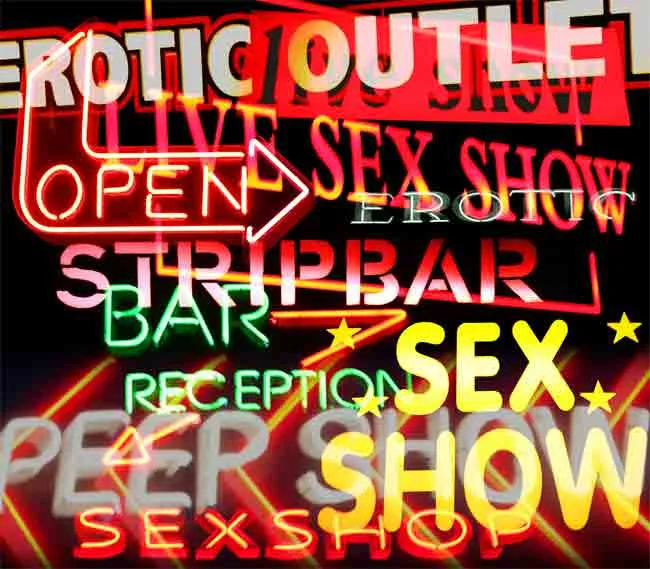
A soon-to-launch academic journal will peer into corners of the Internet most people erase from their search histories. "Porn Studies," set to debut next spring, will be dedicated to a critical exploration of "those cultural products and services designated as pornographic," according to The Guardian.
The journal will be under the umbrella of academic publisher Routledge, and will welcome work by academics in sociology, film, media, labor studies, law and criminology. Sound prurient? Well, despite the ubiquity of pornography online, very little is known about the psychology of those who participate, or even those who watch. Perhaps the new journal will finally answer the age-old question, "Is porn bad for you?"
Follow Stephanie Pappas on Twitter and Google+. Follow us @livescience, Facebook & Google+.
Get the world’s most fascinating discoveries delivered straight to your inbox.

Stephanie Pappas is a contributing writer for Live Science, covering topics ranging from geoscience to archaeology to the human brain and behavior. She was previously a senior writer for Live Science but is now a freelancer based in Denver, Colorado, and regularly contributes to Scientific American and The Monitor, the monthly magazine of the American Psychological Association. Stephanie received a bachelor's degree in psychology from the University of South Carolina and a graduate certificate in science communication from the University of California, Santa Cruz.