













Gestational Diabetes: Symptoms, Diagnosis & Complications

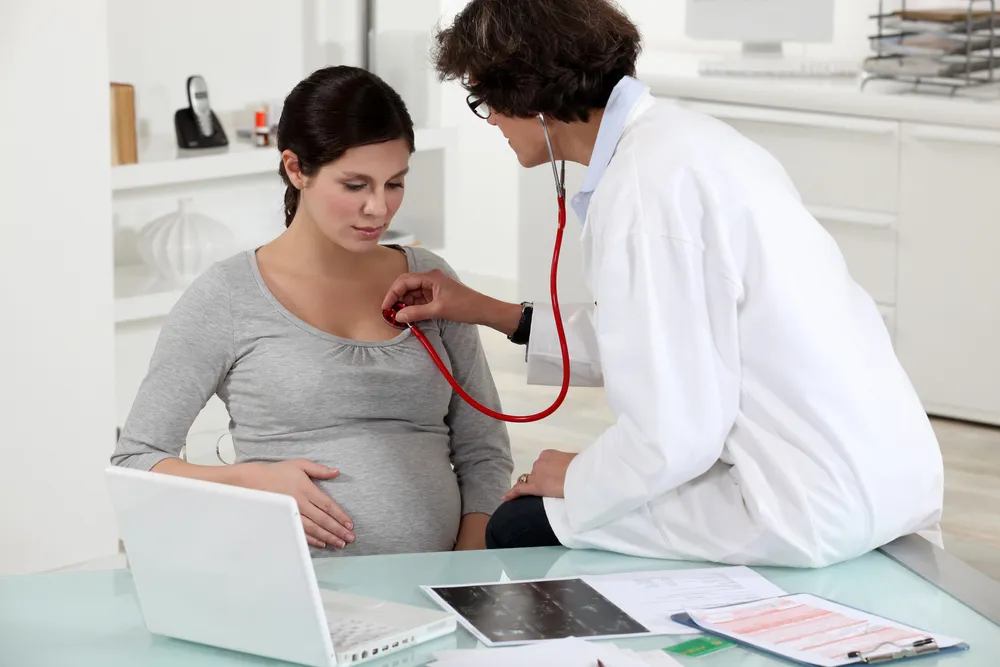
Gestational diabetes is a type of diabetes that develops, or is first diagnosed, during pregnancy. The condition, like other forms of diabetes, involves high blood sugar levels.
Often times, gestational diabetes is a temporary disorder that occurs around the second trimester of pregnancy and disappears after a woman gives birth.
But women who've had gestational diabetes should be monitored closely after birth, because they are more likely to develop diabetes later in life, according to the National Institutes of Health (NIH).
A 2014 study from the Centers for Disease Control and Prevention found that between 4 and 9 percent of pregnant women in the United States develop gestational diabetes. Gestational diabetes occurs more frequently among certain ethic groups, including African Americans, Hispanics, American Indians, Asians, and Pacific Islanders according to the March of Dimes.
Symptoms
Women with gestational diabetes usually have no symptoms or mild, non-life-threatening symptoms, according to the NIH. These symptoms are mostly related to abnormal blood sugar levels, and can include fatigue, excessive thirst and increased urination.
Causes
During pregnancy, changes happen in the mother's body to make sugar more available to the fetus, said Dr. Christopher Glantz, a professor of obstetrics and gynecology at the University of Rochester Medical Center.
One of these changes is that the placenta produces hormones that interfere with the action of insulin, a hormone that helps sugar (or glucose) get from the bloodstream into cells. This means that sugar in the mother's bloodstream is less able to get into her own cells, leading to a rise in blood sugar. Usually, the fetus takes in this extra sugar, so the net result is typically that a women's blood sugar declines, Glantz said. But in some women, the placenta may put out too much of the insulin-blocking hormones, leading to an increase in the mother's blood sugar. If blood sugar levels rise to an abnormally high level, this is considered gestational diabetes.
Get the world’s most fascinating discoveries delivered straight to your inbox.
Some women may have prediabetes before they become pregnant (for example, because they are overweight or obese, which is a risk factor for the condition), and pregnancy exacerbates the condition, leading to gestational diabetes, Glantz said. Other women may have undiagnosed diabetes before they become pregnant, and they are diagnosed in pregnancy.
Changes in levels of the hormones estrogen and progesterone during pregnancy may further disrupt the body's balance of glucose and insulin.
Risk factors
According to the National Institute of Diabetes and Digestive and Kidney Diseases (NIDDK), risk factors for gestational diabetes including:
- Being overweight or obese
- Being prediabetic
- Previously giving birth to a baby weighing more than 9 pounds
- Having a family member with type 2 diabetes
- Having gestational diabetes in a previous pregnancy
Diagnosis
Tests for gestational diabetes are usually done around 24 to 28 weeks of pregnancy, according to the NIH. Some women may be tested earlier in pregnancy if they are at increased risk for gestational diabetes.
Women may first undergo a glucose screening test, in which they drink a sugar solution, and their blood sugar level is tested one hour later. If a woman's blood sugar level is higher than normal, they may need to undergo a second test, called a glucose tolerance test, according to the NIH.
To prepare for the glucose tolerance test, the mother will need to fast overnight before her doctor's visit. Her blood is taken before the test, and again in 60-minute intervals over two to three hours after she drinks a high-glucose solution in order to measure how blood glucose and insulin level changes over time.
If a woman is diagnosed with gestational diabetes, glucose tolerance tests are usually conducted again at around six to 12 weeks after the woman gives births, and then every three years in order to identify any lingering glucose intolerance, according to the NIH.
Complications
Abnormally high levels of blood glucose — or hyperglycemia — in the mother can result in more glucose being delivered to the fetus, leading to excessive growth, according to the CDC. If gestational diabetes is left untreated, the baby is more likely to be born very large, according to the March of Dimes.
A large baby (9 pounds or more) can lead to birth trauma for the mother, who may need a cesarean delivery.
"You want your baby to be above average in many regards, but when it comes to birth weight, that’s just not the best policy," Glantz said.
After birth, the newborn is at risk for low blood sugar, respiratory distress syndrome and jaundice, according to the NIDDK. In addition, the baby may face an increased risk of obesity, diabetes and other conditions later in life, Glantz said.
Even if gestational diabetes disappears after the baby is born, women with the condition have up to a 60 percent increased risk of developing type 2 diabetes later in life, according to the Cleveland Clinic. Therefore, they should be regularly screened for signs of diabetes during later check-ups and be sure to maintain a healthy diet and lifestyle.
Treatment
The first step in managing gestational diabetes is to have the patient visit a dietician to see if her diet can be modified to reduce blood sugar levels, Glantz said. Regular physical activity can also help control blood sugar levels.
If a patient is not able to control her blood sugar levels with diet and exercise alone, women may need to take medications to lower blood sugar levels, and in some cases, daily injections of insulin are needed, Glantz said.
Prevention
Women who are planning to become pregnant can reduce their risk of developing gestational diabetes by losing excess weight and increasing physical activity levels before they become pregnant, the NIH says.
Once a woman becomes pregnant, she should not try to lose weight, since gaining some weight is necessary for a healthy pregnancy. However, gaining too much weight in pregnancy also increases a woman's risk for gestational diabetes. That's why women should speak with their doctor about how much weight to gain in pregnancy, the NIH says.
A study published in September 2018 in the American Journal of Preventive Medicine suggested that women who are overweight or obese can safely restrict their weight gain in pregnancy with the help of nutritional counseling and a smartphone app. However, larger studies will be needed to examine whether this approach ultimately leads to heathier pregnancies.
Women who've already had gestational diabetes in pregnancy can reduce their risk of developing type 2 diabetes by eating a healthy diet (with foods high in fiber and low in fat and calories), and staying physically active, according to the Mayo Clinic. Indeed, a 2014 study published in the journal JAMA Internal Medicine found that, among women who had gestational diabetes, those that increased their exercise levels after pregnancy had a 47 percent lower risk of developing type 2 diabetes, compared with those who didn't change their activity levels.
Additional resources:
- The American Diabetes Association
- National Institute of Diabetes and Digestive and Kidney Diseases (NIDDK)
- The March of Dimes
This article is for informational purposes only and is not meant to offer medical advice.

Rachael is a Live Science contributor, and was a former channel editor and senior writer for Live Science between 2010 and 2022. She has a master's degree in journalism from New York University's Science, Health and Environmental Reporting Program. She also holds a B.S. in molecular biology and an M.S. in biology from the University of California, San Diego. Her work has appeared in Scienceline, The Washington Post and Scientific American.