 Live Science Plus





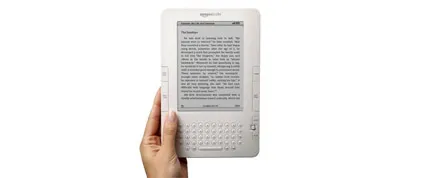
An experiment at the University of Virginia's Darden School of Business is not quite over but the verdict is already in: Most Darden students prefer not to use the Kindle e-reader in the B-school classroom.
The results jibe with other campus Kindle trials at Reed University and elsewhere that have found that the device, while enjoyable for personal reading, doesn't quite cut it in class.
Article continues belowThe concern with the electronic reading devices at the Darden School is that they are too rigid for use in the fast-paced classrooms where the Socratic method and case-based pedagogy means students have to be nimble.
“You must be highly engaged in the classroom every day,’’ says Michael Koenig, Darden’s director of MBA operations who initially contacted Amazon, the maker of the Kindle, about the pilot project.
Koenig said that the Kindle is “not flexible enough. … It could be clunky. You can’t move between pages, documents, charts and graphs simply or easily enough compared to the paper alternatives.’’
One thumb down, one thumb up
Koenig learned of the dissatisfaction from a mid-term survey that concluded with two key questions: Would you recommend the Kindle DX to an incoming Darden MBA student? A total of 75 to 80 percent answered “no,” said Koenig.
The other survey question asked Kindle-using students: Would you recommend the Kindle DX to an incoming MBA student as a personal reading device? A total of 90 to 95 percent said “yes.”
“What that says to me is that Amazon created a very well-designed consumer device for purchasing and reading digital books, magazines and newspapers,’’ said Koenig. “It’s not yet ready for prime time in the highly engaged Darden business school classroom.’’ Koenig said if Amazon decides to target the higher education market, the pilot and the Darden survey results will help identify the hardware and software upgrades necessary for the Kindle to begin competing against the traditional paper options available in this marketplace.

