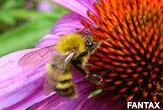
Bumblebee Sets Flight Record
Get the world’s most fascinating discoveries delivered straight to your inbox.
You are now subscribed
Your newsletter sign-up was successful
Want to add more newsletters?
Delivered Daily
Daily Newsletter
Sign up for the latest discoveries, groundbreaking research and fascinating breakthroughs that impact you and the wider world direct to your inbox.
Once a week
Life's Little Mysteries
Feed your curiosity with an exclusive mystery every week, solved with science and delivered direct to your inbox before it's seen anywhere else.
Once a week
How It Works
Sign up to our free science & technology newsletter for your weekly fix of fascinating articles, quick quizzes, amazing images, and more
Delivered daily
Space.com Newsletter
Breaking space news, the latest updates on rocket launches, skywatching events and more!
Once a month
Watch This Space
Sign up to our monthly entertainment newsletter to keep up with all our coverage of the latest sci-fi and space movies, tv shows, games and books.
Once a week
Night Sky This Week
Discover this week's must-see night sky events, moon phases, and stunning astrophotos. Sign up for our skywatching newsletter and explore the universe with us!
Join the club
Get full access to premium articles, exclusive features and a growing list of member rewards.
A
Nobody knows if other bees have flown farther—few tests have been done—but this flight is about 5 miles more than scientists expected.
For the record, the bee flew from a garden center in Heddon on the Wall in the Tyne Valley in the county of Northumberland to its home at Newcastle University. Other bees in the test flew up to 3 miles to get back.
"The current scientific literature shows that bees normally forage within 5 kilometers [3 miles], and this is probably correct," said study leader Steph O'Connor, who just graduated from Newcastle. "However, the findings of our research are intriguing, because it shows the bees can navigate their way home from further away than this."
Only worker bees made the trip, the scientist said this week. They suspect queens find shelter elsewhere.
The scientists don't know how the bees find their way, but they suspect it's mostly by using visual cues. Further tests aim to find out.
There are 25 species of bumblebee in the UK, but three have gone extinct in the past 30 years. The scientists hope understanding the habits of those that remain will help in conserving them.
Get the world’s most fascinating discoveries delivered straight to your inbox.