














Cancer-Causing List: 7 New Substances Added by US

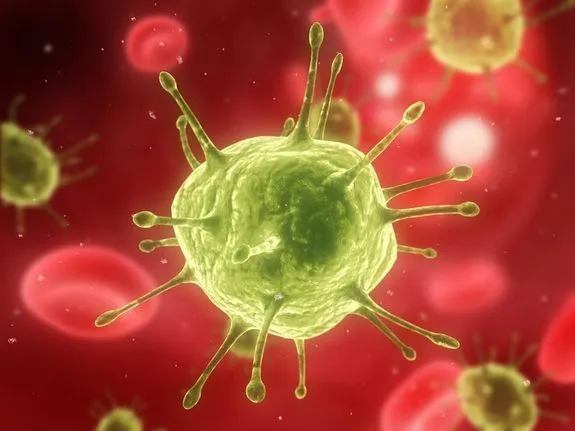
Seven new substances have been added to the U.S. Department of Health and Human Services' list of cancer-causing agents.
Six of these substances are listed as "known" to cause cancer, while one is "reasonably anticipated to be a human carcinogen," according to a statement today (Nov. 3) from the National Institutes of Health (NIH).
Five of the new substances on the list are viruses, and all of those are among the "known carcinogens," the NIH says. The viruses include human T-cell lymphotropic virus type 1, Epstein-Barr virus, Kaposi sarcoma-associated herpesvirus, Merkel cell polyomavirus and human immunodeficiency virus type 1 (HIV-1). [10 Do's and Don'ts to Reduce Your Risk of Cancer]
Together, the viruses have been linked to more than 20 different types of cancer, according to the NIH. For example, HIV-1, which is the virus that causes acquired immune deficiency syndrome, or AIDS, weakens the immune system and increases a person's risk of infection from other cancer-causing viruses, the NIH says. There is "sufficient evidence" that HIV-1 can lead to cervical cancer, conjunctival eye cancer and non-melanoma skin cancer, among others, according to the NIH.
"Approximately 12 percent of human cancers worldwide may be attributed to viruses," Linda Birnbaum, the director of the National Institute of Environmental Health Sciences and the National Toxicology Program, said in the statement. However, there are currently no vaccines available for the five viruses that have been added to list, Birnbaum said. Because of this, prevention strategies to avoid these viruses are "even more critical," she said.
A chemical called trichloroethylene was also added to the list as a "known carcinogen," according to the NIH. Trichloroethylene is an industrial solvent used to make hydrofluorocarbons, which are in a number of appliances and products. It's also used by the military to degrease metal, the NIH says. Studies have shown a cause-and-effect link between the chemical and kidney cancer.
The other substance added to the list was the element cobalt. Cobalt is a naturally occurring metal, and can be found in rechargeable batteries and blue pigmented glass, tiles and ceramics, according to the NIH. It may also be used in some medical devices and solar panels.
Get the world’s most fascinating discoveries delivered straight to your inbox.
Cobalt is "reasonably anticipated to be a human carcinogen," the NIH says. This means that although studies have not shown a cause-and-effect link between cobalt and cancer in humans, the element has been shown to cause cancer in animals, and lab studies have demonstrated a possible mechanism for how this metal could cause cancer.
Cobalt is thought to be linked to cancer because it can release charged particles called ions in the body. These particles may damage a person's DNA and lead to cancer, the NIH says.
Cobalt is also found in vitamin B12; however, this form of cobalt does not release ions and is therefore not considered to be linked to cancer, according to the NIH.
The NIH noted in the statement that inclusion in the report "does not by itself mean that a substance or a virus will cause cancer." Many factors, including how susceptible a person is to the substance, how much of it they are exposed to and for how long also play a role, according to the statement.
The seven substances bring the total list of carcinogens on the list to 248, according to the NIH. This is the 14thtime the agency has issued its Report on Carcinogens.
Originally published on Live Science.
