















Why You Should Check Your Blood Pressure in the Morning

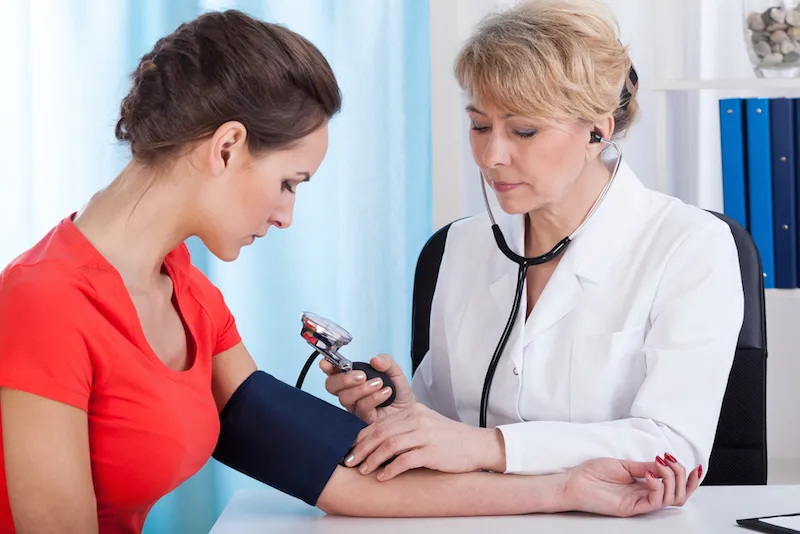
ORLANDO, Fla. — People who have high blood pressure are often advised to monitor their blood pressure at home, and now, a new study suggests that blood pressure measured in the morning may be a better predictor of stroke risk than blood pressure measured in the evening.
In the study, researchers looked at data from people in Japan and found that, when measured in the morning, higher blood pressure was related to an increased risk of stroke. When measured in the evening, however, higher blood pressure was not as closely related to people's stroke risk.
Blood pressure has a tendency to surge in the morning, and this surge is greater in Asian populations than in people in Western countries, said Dr. Satoshi Hoshide, an associate professor of cardiovascular medicine at Jichi Medical University in Japan and the lead author of the study.
Because of this, the morning blood pressure measurement is important, especially in Asian populations, Hoshide told Live Science today (Nov. 8), here at the American Heart Association Scientific Sessions meeting. [7 Things That May Raise Your Risk of Stroke]
The study included more than 4,300 Japanese people who had at least one risk factor for heart disease, such as high blood pressure, high cholesterol or diabetes. For two weeks, the people in the study took their blood pressure at home, measuring it once in the morning and once in the evening. The participants were then tracked for a four-year follow-up period. During the follow-up, there were 75 strokes among the group.
The researchers found that a morning blood pressure reading of higher than 155 mm Hg was associated with a seven times higher risk of stroke than a morning blood pressure reading of less than 135 mm Hg. In contrast, an evening blood pressure reading over 155 mm Hg was not associated with any increase in stroke risk, compared with an evening blood pressure reading under 135 mm Hg.
One reason that evening blood pressure readings may be less predictive of stroke risk is that many outside factors can influence blood pressure, including hot baths, warm showers or eating, Hoshide said.
Get the world’s most fascinating discoveries delivered straight to your inbox.
The morning blood pressure surge, on the other hand, is related to physiological factors, including the activation of the sympathetic nervous system, which occurs when you wake up in the morning, Hoshide said.
Although high morning blood pressure is linked to an increased risk of stroke, taking blood pressure medications in the morning has not been found to be more effective than taking them in evening, he added.
Hoshide cautioned that the study was done in a Japanese population, so it's unclear if the results can also be applied to other populations.
The findings have not been published in a peer-reviewed journal.
Follow Sara G. Miller on Twitter @SaraGMiller. Follow Live Science @livescience, Facebook & Google+. Originally published on Live Science.
