













What's Heart Failure?

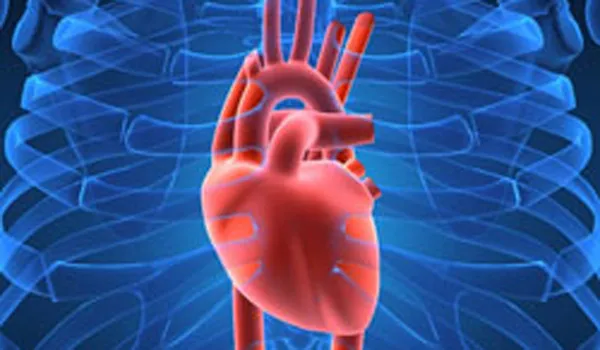
Elizabeth Taylor died this morning (March 23) at the Cedars-Sinai Hospital in Los Angeles, at the age of 79. Her publicist confirmed that the Hollywood actress died from heart failure. What exactly does that mean?
Heart failure, also known as congestive heart failure (CHF), occurs when the heart is unable to pump enough blood to meet the body's needs. Conditions such as narrowed arteries in the heart (coronary artery disease) or high blood pressure can gradually leave the heart too weak or stiff to efficiently pump blood, according to mayoclinic.com.
Symptoms of heart failure include fatigue and weakness, abdominal swelling, a persistent cough or wheezing with white or pink blood-tinged phlegm, a rapid or irregular heartbeat and swelling of the legs, ankles and feet.
Medication can improve these symptoms, although many of the conditions that lead to heart failure can't be reversed. The best way to prevent heart failure is to manage the health risk factors that can cause it, such as coronary artery disease, high blood pressure , high cholesterol, diabetes and obesity.
- Does Your Heart Really Stop When You Sneeze?
- What Are The Leading Causes of Death?
- Does the Heart Ever Skip a Beat?
Got a question? Send us an email and we'll crack it.
Get the world’s most fascinating discoveries delivered straight to your inbox.
