













Record-Setting Round-the-World Flight Could Start Monday

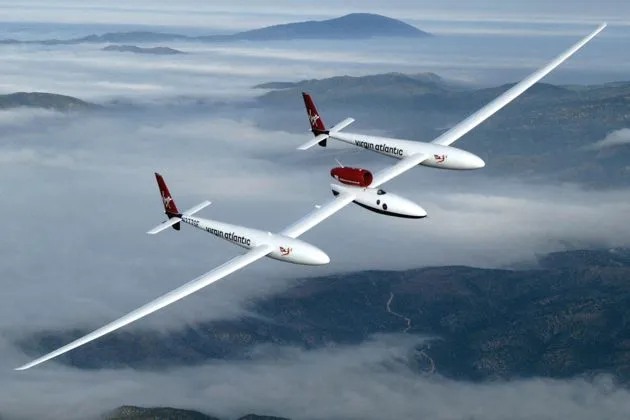
An attempt to make the first solo, non-stop, non-refueled circumnavigation of the globe could start Monday, Feb. 28 after weeks of weather delays.
The Virgin Atlantic GlobalFlyer is "Code Green" for a flight attempt on Monday, according to officials. Weather conditions locally and along the flight path have prevented the record-setting attempt since January.
Expected takeoff time around 3:30 p.m. local time from the Salina, Kansas airport.
"Conditions look good enough on Monday to make the mission status green," reads a statement on the project's web site. "This means that a takeoff is highly likely between 2 p.m. and 6 p.m. local time (20:00 UTC and 00:00 UTC) on that day."
On Feb. 23, mission officials has said the flight would not depart until March.
Once in the sky, GlobalFlyer is capable of speeds of more than 285 mph (250 knots). The around-the-world flight should be completed inside 80 hours. The route will begin from the Salina airfield and then follow the jet stream winds across the Atlantic to the United Kingdom. It will be piloted by adventurer Steve Fossett.
From there, Fossett will head Southeast across the Mediterranean and the Gulf region before turning east towards Pakistan, India, China and Japan.
Get the world’s most fascinating discoveries delivered straight to your inbox.
The final leg of the journey will take the plane out over the Pacific towards Hawaii before crossing the West Coast of the United States and returning to the Kansas launch site.
GlobalFlyer is powered by a single turbofan jet engine, fed by thirteen separate fuel tanks on the aircraft. It was designed by the visionary aerospace engineer Burt Rutan of Scaled Composites in Mojave, California -- the mind behind the SpaceShipOne rocket plane that won the Ansari X Prize last year.
