Llamas Enlisted to Thwart Biological Weapons

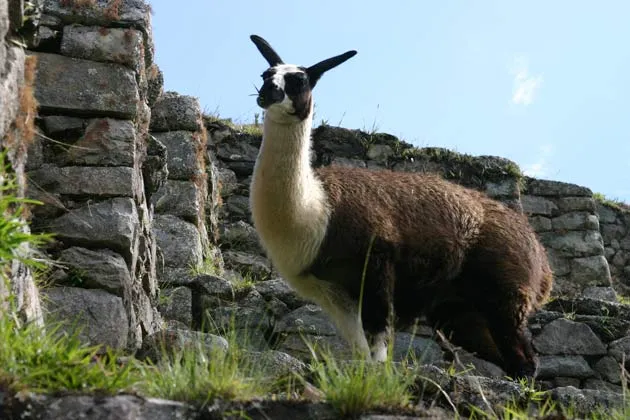
If terrorists ever unleashed a biological weapon, unusual molecules normally found in the blood of llamas could quickly help warn of the attack, scientists now report.
Researchers at the U.S. Naval Research Laboratory in Washington and their colleagues experimented with antibodies, which act as the red flags and magic bullets of the body's personal defense arsenal.
Every antibody is a complex protein tailored to clamp onto a specific target. Immune cells in the blood and lymph use antibodies either to identify enemies for attacks or to directly bind to and neutralize intruders.
Scientists now regularly develop antibodies for use in medicines against cancers and other diseases or in sensors to warn of dangerous microbes and chemicals. Unfortunately, the antibodies currently used irreversibly break down at high temperatures, often limiting extended use in the field.
Biochemist Ellen Goldman at the Naval Research Laboratory with virologist Andrew Hayhurst at the Southwest Foundation for Biomedical Research and their colleagues investigated llama antibodies. Past studies revealed that the binding regions of these antibodies and those from camels and sharks are unusually small, just one-tenth the size of common human antibodies.
Llama, camel and shark antibodies consist just of chains of heavy proteins, missing the additional lighter protein chains that more complicated antibodies from other species use. Their relative simplicity makes them more durable, capable of withstanding temperatures of almost 200 degrees Fahrenheit.
The researchers generated more than a billion kinds of antibody binding regions in the laboratory based on genes taken from small blood samples from llamas. After testing their antibodies against various biological threats, the researchers found they could within days successfully identify antibodies targeting cholera toxin, a smallpox virus surrogate and ricin, among other known menaces.
Get the world’s most fascinating discoveries delivered straight to your inbox.
"We're interested in the development of biosensors for biothreats in the field, and hopefully these antibodies will help lead to more rugged antibodies that have longer shelf lives and not require refrigeration," Goldman said.
The researchers noted they could advance their technology to isolate useful antibodies against emerging threats within hours. Goldman added that while the antibodies they have tested successfully bind to their targets, they hope to develop antibodies that bind more strongly.
The findings are scheduled to be detailed in the Dec. 14 issue of the journal Analytical Chemistry.