















Metallic Glass Could Encase Future Apple Products
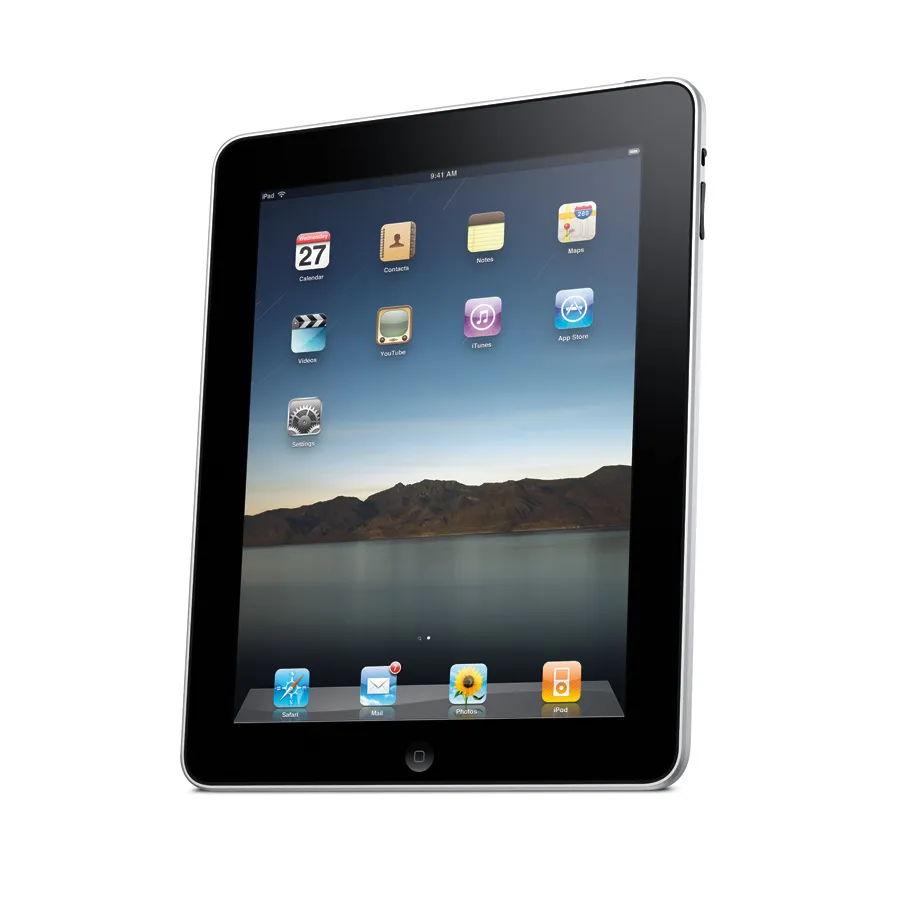
In a move that promises a future of higher performance, cheaper and more elegant iPhone, Macbook and desktop casings, Apple has signed an exclusive deal with Liquidmetal Technologies, a company that makes a special metallic glass.
Unlike regular metal products, which have a crystal structure that prevents die casting and provides natural points for dents and scratches to form, Liquidmetal Technologies’ “amorphous” metal combines the strength of steel with a low weight and die cast compatibility.
Liquidmetal Technologies produces an amorphous metal called Vitreloy, which is primarily composed of zircon. Used mainly for sporting equipment so far, the company has also produced components of cell phone cases in the past, said William Johnson, former vice chairman of technology at Liquidmetal Technologies, professor of materials science at Caltech and inventor of Vitreloy.
“The material is durable, hard, scratch resistant, and can be processed thermo-plastically at relatively low temperature,” Johnson told TechNewsDaily.
Vitreloy "tends to be lighter than steel, a bit heavier than titanium. You can produce complex, three dimensional shapes pretty well.”
By replacing the current metal and plastic cases with Vitreloy, Apple can drastically increase the toughness of their products while reducing the weight. But whether or not this move will reduce the cost remains to be seen.
“Zirconium is a relatively expensive metal, so the raw material costs are high," Johnson said. “You have to trade the money that you save in manufacturing the parts, so there’s a cost-savings trade off there.”
Get the world’s most fascinating discoveries delivered straight to your inbox.
Metals like titanium melt at such high temperatures that they would deform, or alloy with, any molds during the casting process, Johnson said. But by using so many different metals in the alloy Vitreloy, the components interfere with each other’s ability to form crystals, drastically lowering the melting point of the material.
At that lower melting point, the metal can go through an inexpensive and highly precise die casting process usually only useful for plastics.
Neither Apple nor Liquidmetal Technologies has announced details of the collaboration. The knowledge of the relationship became public this morning in a SEC filing first reported by the Baltimore Sun.