 Live Science Plus





You are now subscribed
Your newsletter sign-up was successful
Want to add more newsletters?

Delivered Daily
Daily Newsletter
Sign up for the latest discoveries, groundbreaking research and fascinating breakthroughs that impact you and the wider world direct to your inbox.

Once a week
Life's Little Mysteries
Feed your curiosity with an exclusive mystery every week, solved with science and delivered direct to your inbox before it's seen anywhere else.

Once a week
How It Works
Sign up to our free science & technology newsletter for your weekly fix of fascinating articles, quick quizzes, amazing images, and more

Delivered daily
Space.com Newsletter
Breaking space news, the latest updates on rocket launches, skywatching events and more!

Once a month
Watch This Space
Sign up to our monthly entertainment newsletter to keep up with all our coverage of the latest sci-fi and space movies, tv shows, games and books.

Once a week
Night Sky This Week
Discover this week's must-see night sky events, moon phases, and stunning astrophotos. Sign up for our skywatching newsletter and explore the universe with us!
Join the club
Get full access to premium articles, exclusive features and a growing list of member rewards.
Consumers should beware of dietary supplements that claim to treat a concussion, the U.S. Food and Drug Administrations said today.
"Exploiting the public's rising concern about concussions, some companies are offering untested, unproven and possibly dangerous products that claim to prevent, treat or cure concussions and other traumatic brain injuries," the agency said today (Aug. 25) in a post on its website.
"We're very concerned that false assurances of faster recovery will convince athletes of all ages, coaches and even parents that someone suffering from a concussion is ready to resume activities before they are really ready," said Gary Coody, FDA's National Health Fraud Coordinator. "Also, watch for claims that these products can prevent or lessen the severity of concussions or TBIs."
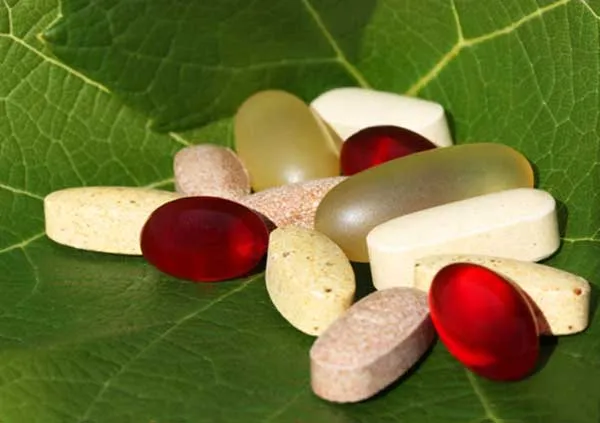
Dietary supplements are not subject to the same regulations that medications are, which means that supplements can enter the market without undergoing the rigorous testing that medicines do. After a supplement is on the market, the FDA can send warning letters to the manufacturers, or recall products found to be unsafe or making false claims. However, there are more than 85,000 dietary supplements on the market and some can slip through the FDA's monitoring, the agency said.
The FDA has so far sent warnings to several companies that sell products claiming to prevent and treat concussions and brain injuries, and will continue to monitor the market for similar fraudulent claims, the agency said.
A concussion is an injury to the brain, usually caused by a sudden blow or jolt to the head, as can happen in sports or car accidents. Most concussions are mild and their effects are usually temporary, and can include headaches and problems with concentration, memory, balance and coordination, according to the Mayo Clinic.
People who have a concussion need time and rest to heal. People who sustain brain injuries are strongly advised to physically and mentally rest, and avoid sports until they are fully recovered. In fact, growing evidence suggests that if patients return to sports too soon they will have a higher risk of having a subsequent concussion. Multiple concussions can have devastating, lasting effects on the brain, according to Mayo Clinic.
"There is simply no scientific evidence to support the use of any dietary supplement for the prevention of concussions or the reduction of post-concussion symptoms that would allow athletes to return to play sooner,” said Charlotte Christin, acting director of FDA’s Division of Dietary Supplement Programs.
Email Bahar Gholipour. Follow Live Science @livescience, Facebook & Google+. Originally published on Live Science.

