













Minds of Mice Read With Glowing Proteins

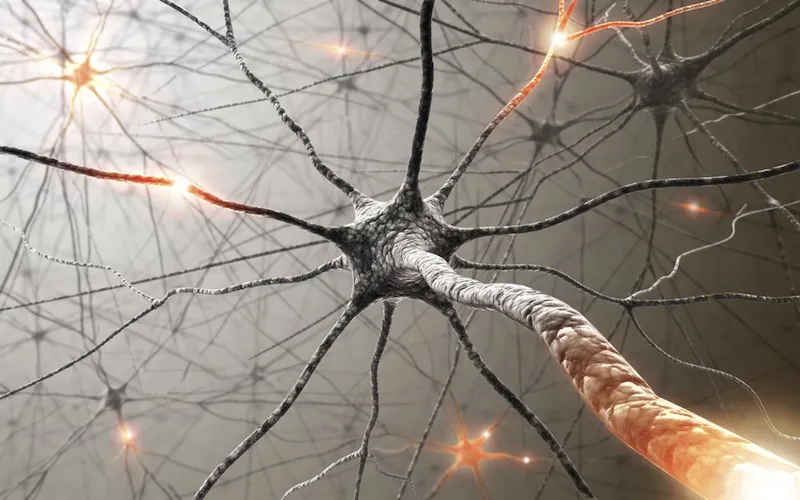
Scientists were able to read the minds of mice by lacing their brains with fluorescent proteins and looking at which parts glowed as the critters ran around a cage.
Using gene therapy techniques, the researchers engineered a green fluorescent protein that lit up in a mouse's brain when certain neurons were activated. A tiny microscope also was installed just above the hippocampus, a brain region thought to play a key role in spatial memory and navigation.
The microscope relayed information from about 700 neurons to a computer screen, where the scientists could watch the digital fireworks show and look for patterns in the bursts of activity as a mouse ran around its enclosure.
"We can literally figure out where the mouse is in the arena by looking at these lights," said Stanford researcher Mark Schnitzer in a statement. "The hippocampus is very sensitive to where the animal is in its environment, and different cells respond to different parts of the arena. Imagine walking around your office. Some of the neurons in your hippocampus light up when you're near your desk, and others fire when you're near your chair. This is how your brain makes a representative map of a space."
The researchers said specific neurons fired when the mouse was scratching at a wall in one section of the arena, but then faded when it scurried to a different part and another brain cell lit up. What's more, the same patterns in brain activity were observed in experiments that took place a month apart, the researchers said.
The team believes their research could be a starting point to test new therapies for human neurodegenerative diseases, such as Alzheimer's disease, which might make certain neurons stop functioning.
The research was detailed Feb. 10 in the online edition of the journal Nature Neuroscience.
Get the world’s most fascinating discoveries delivered straight to your inbox.
Follow LiveScience on Twitter @livescience. We're also on Facebook & Google+.
