














New Beetle Species Found in Remote Arizona Cave

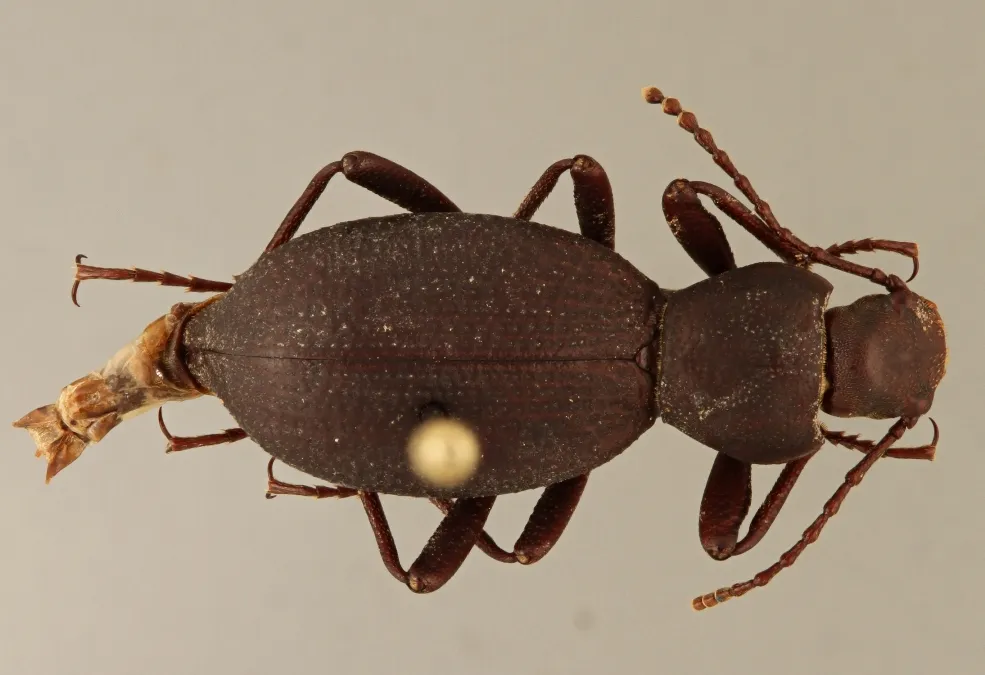
A newfound species of beetle has been discovered in remote caves in Arizona, boasting long antennae and slender legs with hairlike tufts.
The beetle, Eleodes wynnei, was named after its discoverer, Northern Arizona University researcher Jut Wynne.
Since 2005, Wynne and his colleagues have identified three new genera (the plural of genus, the taxonomic classification above species) and more than 20 new species of cave-dwelling arthropods in caves in the Grand Canyon region, according to a statement from Northern Arizona University.
He also discovered five new species from Rapa Nui National Park on Easter Island and four new species at El Malpais National Monument in western New Mexico.
The newfound beetle occurs only in northwestern Arizona and southwestern Utah. Wynne said the experience of having a species named after him is humbling, but he's most concerned with providing good science and guidance on managing and conserving cave resources.
"Caves are one of the most sensitive habitats on our planet," he said. "At the same time, given their location underneath our feet, these ecosystems have been overlooked from a resource management perspective."
Wynne said several parks and monuments on the Colorado Plateau are working to change this practice. His experience working on Easter Island has shown that native species may still persist despite the drastic changes to the island's ecosystem over the last several hundred years.
Get the world’s most fascinating discoveries delivered straight to your inbox.
Follow OurAmazingPlanet for the latest in Earth science and exploration news on Twitter @OAPlanet. We're also on Facebook andGoogle+.
