Live Science Plus


Spider Silk Could Repair Human Ligaments

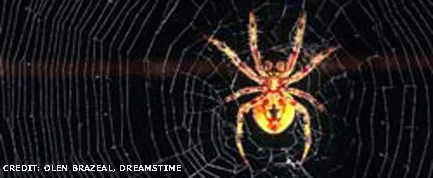
Spider web silk, the strongest natural fiber known, could possess untapped medical potential in artificial tendons or for regenerating ligaments, scientists now say.
A body of folklore dating back at least 2,000 years tells of the potential medical value of spider webs in fighting infections, stemming bleeding and healing wounds, explained molecular biologist Randolph Lewis at the University of Wyoming in Laramie. Spider webs have even found a place in Shakespeare's play "A Midsummer Night's Dream," where the character dubbed Bottom noted, "Good Master Cobweb: if I cut my finger, I shall make bold with you."

So his lab and others are spinning spider silks into fibers that they hope might be useful in medicine.
Lewis said researchers at Tufts University in Medford, Mass., have found that spider webs could be used as scaffolds for regenerating ligaments damaged in one of the world's most common knee injuries—ruptured anterior cruciate ligaments, or ACLs. "We're also looking at spider silk in artificial tendons," he said.
Scientists are also developing spider silk to make exceptionally fine sutures for stitching up surgeries or wounds to nerves or eyes, to potentially help them heal without scarring.
"Right now we haven't even optimized the silks we've produced yet, and we're in the ballpark of the material properties you'd want for artificial tendons and ligaments," Lewis told LiveScience.
To mass-produce spider silk, Lewis said "our lab is pursuing the production of spider silk in alfalfa." Other researchers are experimenting with producing spider silk proteins in goat milk. Scientists generate these proteins outside spiders by inserting the genes for them into target cells.
Lewis summed up current work in the latest issue of the journal Chemical Reviews.
- Images: Creepy Spiders
- Images: Backyard Spiders
- Tarantulas Spin Silk from Feet, Too
- All About Spiders & Insects
- The Real Spider-Man