-
 Christina's Diagnosis: Famous Painting Gets New Look
The woman in the famous painting "Christina's World" may not have had polio, as long thought.
health -
 Eye Scan May Detect Early Signs of Alzheimer's Disease
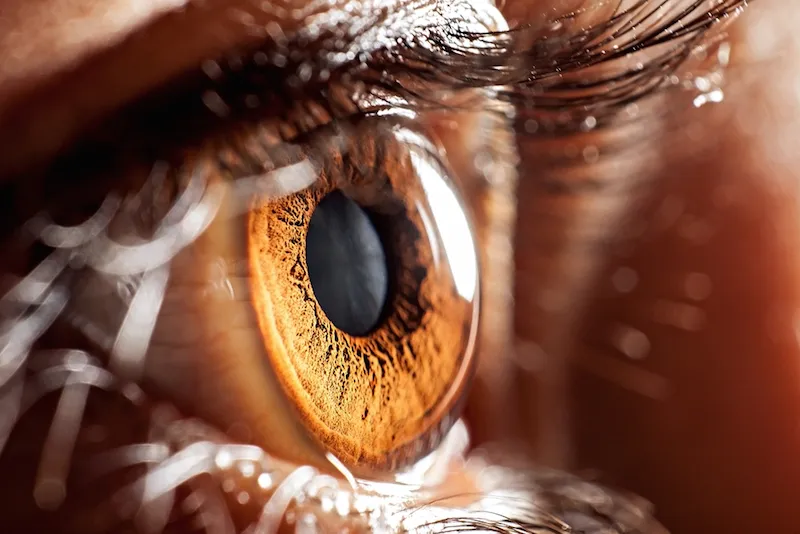
An eye-scan technique may detect the early signs of Alzheimer's disease, before major symptoms appear, a new report says.
alzheimers-dementia -
 Scientists Find New Way to Tan or Lighten Skin
Getting tan without UV rays, or lightening skin without toxic chemicals, could one day be possible thanks to a new discovery.
health -
 Zap! Sparking the Brain Stimulates Creativity
Transcranial direct current stimulation (tDCS) was used to stimulate an area of the brain known to be associated with creativity.
neuroscience -
 Are You Impulsive? Maybe Your Brain Is to Blame
People who seek risky thrills or act impulsively may have a thinner cortex around brain areas involved in decision making, a new study finds.
neuroscience -
 Brains Scans Reveal How People with Insomnia May Be Wired Differentlyneuroscience
 -
 Is 'Cat Litter' Parasite Making You a Rageaholic?
People who are infected with a common parasite found in cat litter may face a higher risk of having uncontrollable bouts of rage.
viruses-infections-disease -
 Brain Scans Show How Alzheimer's Emerges
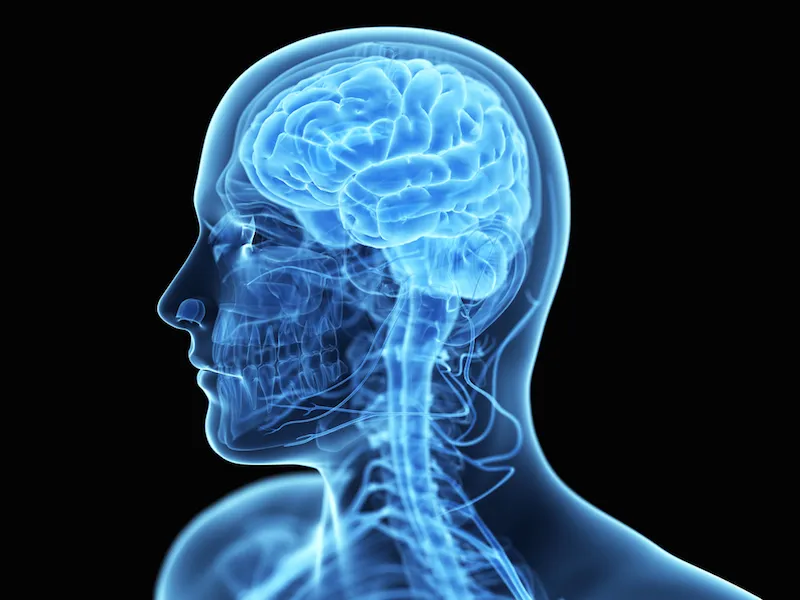
For the first time, scientists have used brain scans to track the development of Alzheimer's disease in adults with no symptoms.
alzheimers-dementia -
 'Overdosing' on Exercise May Be Toxic to the Heart
Slackers, rejoice! You knew you were right about exercise all along, didn't you?
heart-circulation -
 This Sugar May Be New Weapon Against Fructose
Fight sugar with sugar? A new study in mice suggests it might work.
health -
 Mini-Brains Allow Scientists to Study Brain Disorders
Scientists say they have made human "mini-brains" the size of a fly's eye that, within a year, might replace lab animal models for research on drug addiction and other neurological disorders.
neuroscience -
 To Stop Brain Shrinkage, Start Moving
Couch potatoes beware: Exercising in middle age may be linked with a healthier brain later on, a new study finds.
neuroscience -
 Low B12 Seen in Aging, Autism and Schizophrenia
A study of cadavers reveals a dramatic decrease of vitamin B12 in the brain across the ages but also among young people with autism and schizophrenia.
health -
 'Water Jets' May Stem Tide of Student Obesityhealth
 -
 Baking-Soda Ingredient May Lower Risk of Premature Death
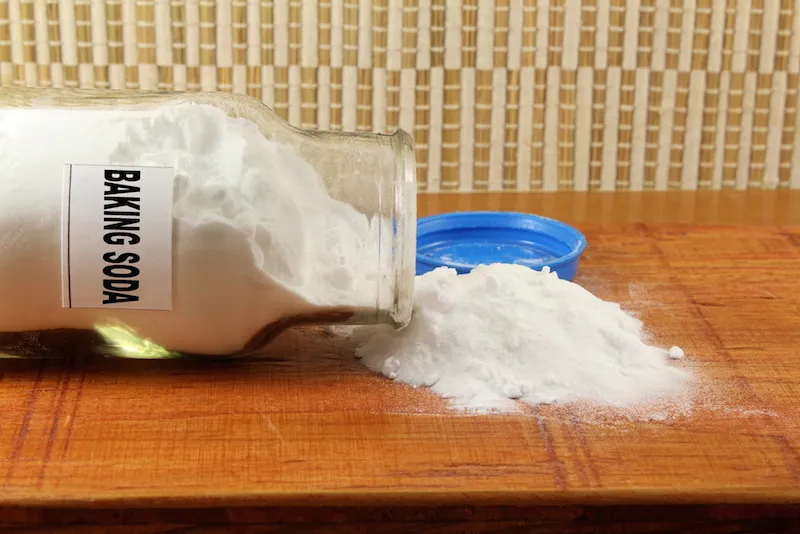
Older people who have lower levels of bicarbonate, a main ingredient in baking soda, in their blood may be at increased risk of premature death.
food-drink -
 Mysterious Cancers of 'Unknown' Origin in Men Traced Back to HPV
Some cancers are mysterious, in that doctors cannot determine where they originated. Now, it seems that some of these cancers are caused by HPV.
cancer -
 Scientists Make Gains on 'Universal' Ebola Medicine
Scientists have created a treatment that they say can fight the two deadliest strains of Ebola.
viruses-infections-disease -
 Suspect Science: The Top 5 Retracted Papers of 2015
Here is our annual countdown of the "top five" scientific retractions in the last year, some serious, most comical.
health -
 Flower Aroma Is a Honeybee's Chill Pill
Music has charms to soothe a savage breast. And, it seems, flowers can calm an aggressive honeybee.
insects -
 Cocoa Helps Kidney Patients Stave Off Heart Failure
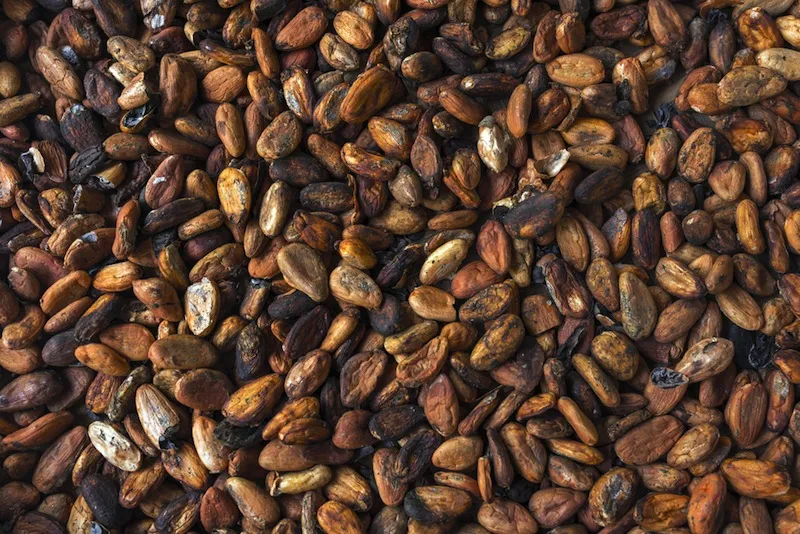
Nutrients found in cocoa may improve the heart health, a new study of patients with advanced kidney disease finds.
heart-circulation -
 Novel Chemical 'Washes Away' Alzheimer's Plaque in Mice
Researchers have found a molecule that breaks down the clumps of protein linked with Alzheimer's disease.
alzheimers-dementia -
 Speaking More Than One Language Eases Stroke Recovery
People who speak more than one language seem to fare better after a stroke, a new study finds.
neuroscience -
 Brain Scan May Predict Chance of Coma Recovery
Brain scans may predict the possibility of someone recovering from a coma, a new study suggests.
neuroscience -
 Cutting Sugar Made Obese Kids Healthier in 10 Days
There's no longer any doubt that consuming added sugar contributes to a litany of chronic diseases in children, researchers say.
food-drink