













Parasites Sneak Entire Genome into Flies
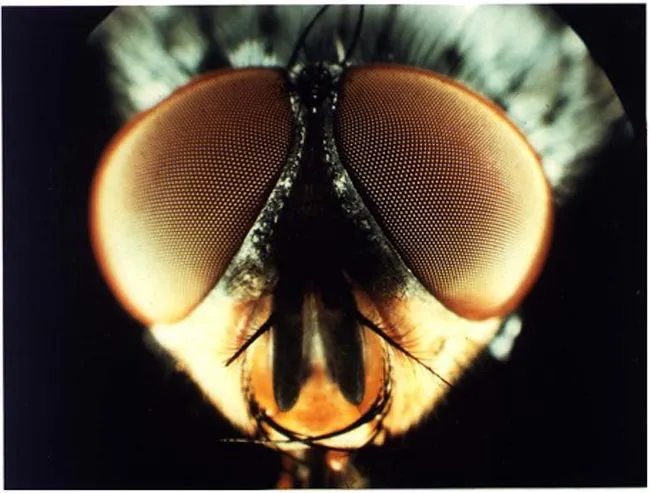
Spineless creatures of the world, watch out: Bacteria can slip their entire genetic codes into yours.
Scientists have discovered the parasitic microbe Wolbachia's entire genome—the software of life—inside that of its fruit fly host.
The breakthrough suggests that movement of genes between two different species, called lateral gene transfer, happens faster and more frequently than scientists thought possible, leading them to rethink some ideas about evolution.
"This is stunning evidence for increased frequency of gene transfer," said W. Ford Doolittle, a molecular biologist at Dalhousie University in Nova Scotia, Canada, who was not involved in the study. A few years ago the process would have been considered "science fiction," Doolittle said.
The results also have serious repercussions for genome-sequencing projects, which attempt to map out an organism's entire set of life-giving instructions, as bacteria-like DNA is often ignored when scientists assemble invertebrate genomes. Now those genes may very well be considered part of the organism’s functioning genome.
"It didn't seem possible at first," says Jack Werren, a biologist at the University of Rochester and co-author of the study, detailed in the Aug. 30 issue of the journal Science. "This parasite has implanted itself inside the cells of 70 percent of the world’s invertebrates, coevolving with them."
Now, Werren and his team have shown Wolbachia's entire genome has been absorbed into the fruit fly's. "The host’s genes actually hold the coding information for a completely separate species," he said. Werren doesn't think the genetic transfer was intentional, like that of a virus, but accidentally slipped in during the fly's normal DNA-repair activities.
Get the world’s most fascinating discoveries delivered straight to your inbox.
Although mostly harmless Wolbachia isn't known to infect humans—only invertebrates like insects, worms and crustaceans—Werren said that the parasite could make it part of animals' normal existence over time. Energy-generating mitochondria organelles that exist within most animal cells, for example, were at one time a separate bacteria species.
"A hundred million years from now, everyone may have a Wolbachia organelle," Werren said.
- 10 Things You Didn't Know About You
- 10 Amazing Things You Didn't Know About Animals
- Inside Look: How Viruses Invade Us