













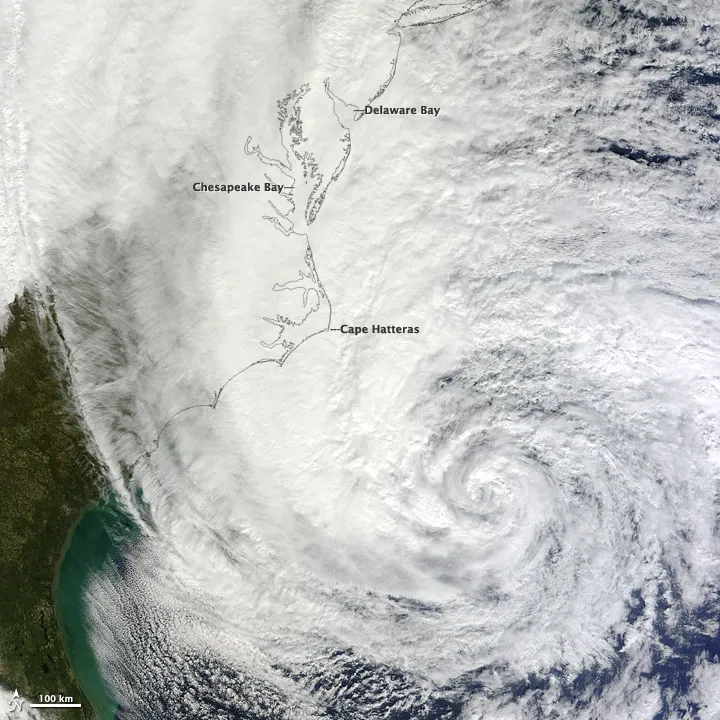
Howling winds, falling trees, flooding streets and power outages: Hurricane Sandy is expected to cause an extraordinary amount of damage. And when you are trapped inside with little to do, it can be hard to keep your cool.
Here are some tips for keeping calm during the storm.
For People
First, tell yourself that it's perfectly normal to be frightened of storms, said University of Alabama at Birmingham psychologist Josh Klapow.
"People tell others to stay calm, but the reality is that your anxiety is not only normal, it's adaptive," Klapow told LiveScience.
Acknowledging that it's perfectly normal to be frightened of such extreme weather helps people focus less on their anxiety, he said. [Hurricane Sandy: Photos of a Frankenstorm]
Those who are nervous should also translate that worry into action, Klapow said. That can mean stocking up on disaster supplies beforehand, having a plan to keep warm during power outages and making sure emergency phone numbers and evacuation plans are in place.
Get the world’s most fascinating discoveries delivered straight to your inbox.
"You don't want to just be sitting there, not doing anything," he said.
Once you’ve taken all those steps, you might want to to check in with family and friends.
"If you've made your list, checked it twice, and you still feel nervous and anxious, one thing you can actually do is help others," he said. "Checking in on a neighbor, calling friends and family, that also is another way of taking the anxiety and channeling it."
Finally, the physical sensations of anxiety — such as a racing heart, high blood pressure and shallow breathing — can keep anxious thoughts running through your head. So, calming those physical responses can also help calm your mind.
As simple as it sounds, setting aside a moment every 15 to 30 minutes to take slow, deep breaths can soothe that physical reaction to stress and help keep anxiety in check, he said.
Those with weather phobias will be especially vulnerable during the hurricane. Such individuals may want to check in with their mental health providers and let family and friends know about their fears, he said. [4 Things You Need to Know About Hurricane Sandy]
While it may be embarrassing to reveal a morbid fear of hurricanes, it's important, because intense anxiety can put people in danger in emergency situations, he said. "The thing you want to avoid is becoming debilitated by it to the point where you can't follow safety instructions," he said.
For pets
Dogs and cats are easily frightened by storms, but the indications that your pet is spooked can be subtle. Cats and dogs may pace, and cats may put their ears back and tails down, said Kristen Collins, the director of the anti-cruelty behavior team at the American Society for the Prevention of Cruelty to Animals (ASPCA).
And oddly, dogs may yawn when nervous, Collins told LiveScience. "If your dog is yawning at a strange time, most of the time when it seems out of place, that's a big sign that they might be anxious," she said.
Distraction is key, she said. If you have a chance, tire your pets out with lots of exercise before the storm.
"Sometimes your animal will just snooze through a storm," she said.
Keep a stockpile of your pet's favorite treats and toys to keep them occupied when the winds are howling. For dogs, in particular, try puzzle-treat toys that they have to lick and chew to get to hidden food. These toys can be soothing, because the chewing motion relaxes the dogs, she said.
"Their eyes glaze over when they have a really good chew, and you can see them relax," she said.
And though it may not work during the heaviest part of the storm, turn on the TV or other white noise to drown out the storm sounds, she said.
Most importantly, try to keep yourself calm for your cat or dog. Otherwise, they may become more fearful themselves.
"They're masters of reading body language," she said. "Maintaining a Zen-like manner around your pets is going to rub off on them."
Follow LiveScience on Twitter @livescience. We're also on Facebook & Google+.

Tia is the editor-in-chief (premium) and was formerly managing editor and senior writer for Live Science. Her work has appeared in Scientific American, Wired.com, Science News and other outlets. She holds a master's degree in bioengineering from the University of Washington, a graduate certificate in science writing from UC Santa Cruz and a bachelor's degree in mechanical engineering from the University of Texas at Austin. Tia was part of a team at the Milwaukee Journal Sentinel that published the Empty Cradles series on preterm births, which won multiple awards, including the 2012 Casey Medal for Meritorious Journalism.