 Live Science Plus





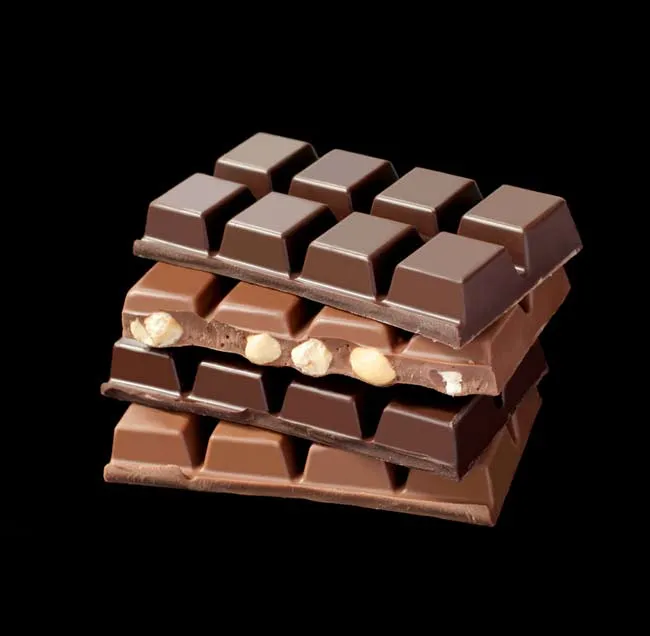
Chemists might be able to halve the fat content of chocolate by replacing some of the cocoa butter and milk fats with fruit juice in a process that preserves the rich texture of a regular, fatty chocolate bar.
Fat is behind many of the "indulgent sensations" associated with eating chocolate — "the silky smooth texture and the way it melts in the mouth but still has a 'snap' to it when you break it with your hand," lead researcher Stefan Bon explained in a statement from the University of Warwick.
To keep these elements while cutting the fat, Bon and his team used a Pickering emulsion to infuse tiny droplets of orange and cranberry juice into three chocolate varieties: milk, dark and white. This method does not interfere with the crystal structure of the fat that gives chocolate its glossy appearance, firmness and melt-in-your-mouth texture, the researchers said.
Article continues below"We've found a way to maintain all of those things that make chocolate 'chocolatey' but with fruit juice instead of fat," Bon said.
The fruit juice, however, does make the chocolate bars taste fruity, but the researchers believe they might be able to use water and a small amount of ascorbic acid instead to maintain a chocolate taste.
"Our study is just the starting point to healthier chocolate — we’ve established the chemistry behind this new technique but now we’re hoping the food industry will take our method to make tasty, lower-fat chocolate bars," Bon said.
The research was published in the Journal of Materials Chemistry.

