 Live Science Plus





Earth's scaly creatures have evolved a dizzying assortment of forms to master their environments, with successful reptile groups like lizards, snakes, crocodiles and turtles all boasting many different unique species — not to mention amazing extinct reptiles like the flying pterosaurs or marine Mosasaurus. Live Science lets you discover the great diversity of Reptilia, so whether our expert writers and editors are covering the discovery of the world's smallest reptile — it fits on your fingertip — or why extinction threatens one in five reptile species, you'll always have reptile news, features and articles to read.
Discover more about reptiles
-
-
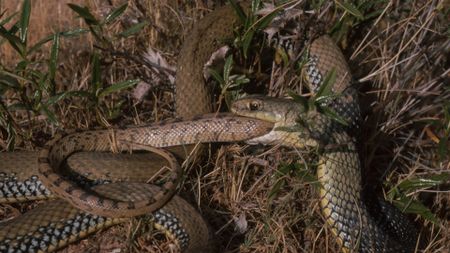
Snakes keep evolving into cannibals — here's what scientists think is going on
2 Comments -
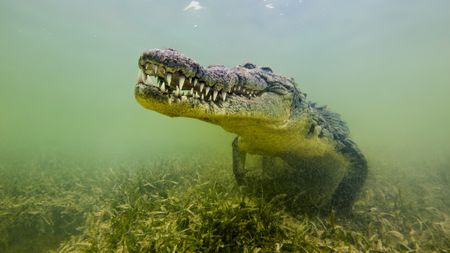
Saltwater crocodiles crossed the Indian Ocean to reach the Seychelles — before humans arrived and wiped them out
4 Comments -
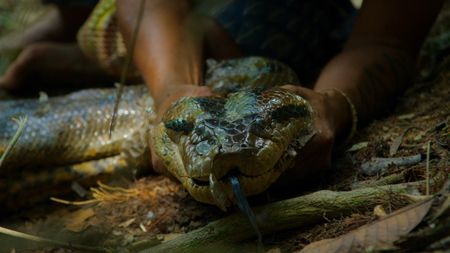
Never-before-seen footage captures moment scientists find new, giant anaconda species in Amazon
10 Comments -
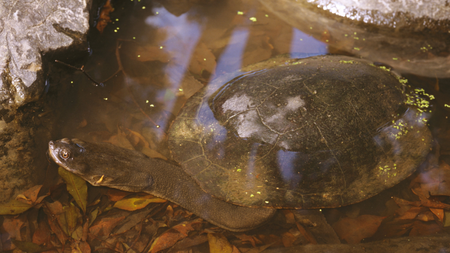
Can a turtle tuck its head all the way inside its shell?
-
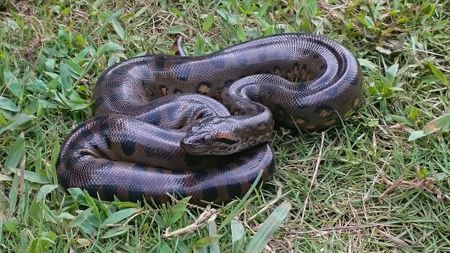
Anacondas became massive 12 million years ago — and it worked so well, they haven't changed size since
-

Venomous snake strikes captured in extreme detail through high-speed videos for first time
5 Comments -

Scientists could soon create a 'universal antivenom.' But would it save lives?
-


-
-
Saltwater crocodiles crossed the Indian Ocean to reach the Seychelles — before humans arrived and wiped them out
4 Comments -
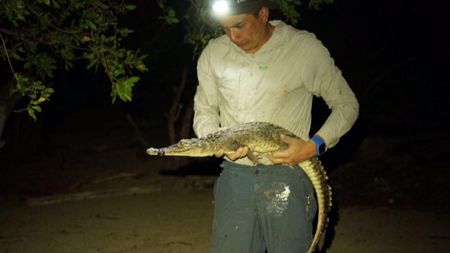
Two new crocodiles discovered in the Caribbean
-
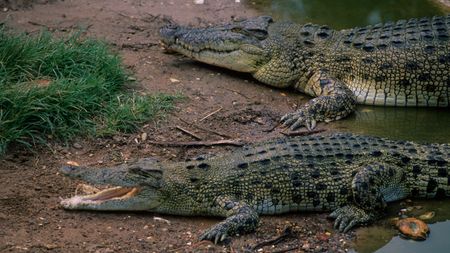
Crocodiles are overheating due to climate change — and it's changing their behavior
3 Comments -
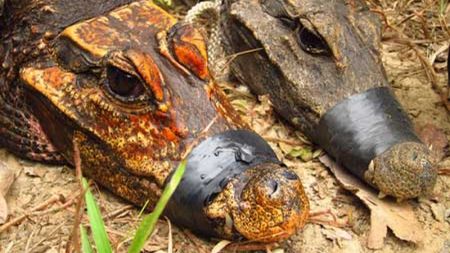
Orange dwarf cave crocodiles: The crocs that crawled into a cave, ate bats, and started mutating into a new species
-
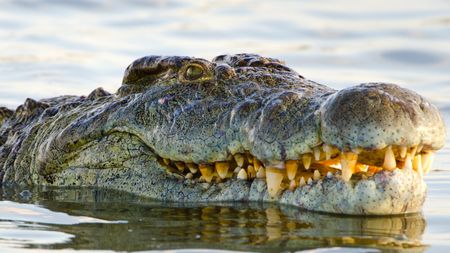
Henry the giant crocodile, who has sired 10,000 babies, celebrates 124th birthday
-
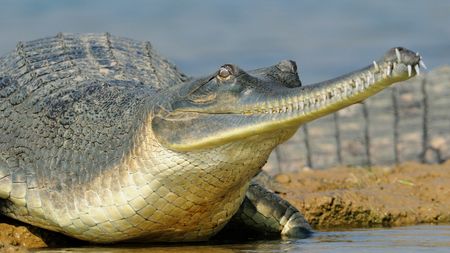
Gharial: The prehistoric crocodilian that buzzes and blows bubbles to find a mate
-
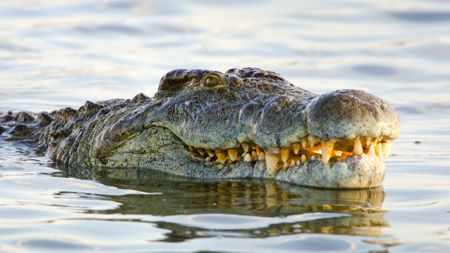
Crocodile quiz: Test your knowledge on the prehistoric predators
-
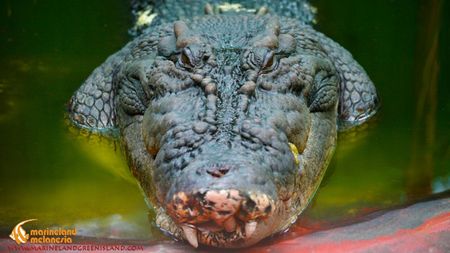
Scientists to read Cassius the giant crocodile's bones to find out exactly how old he was when he died
-
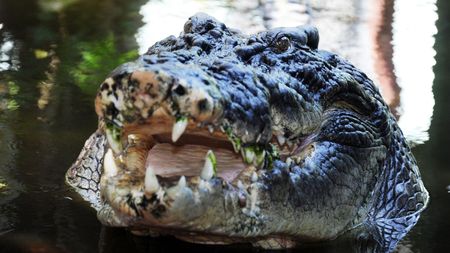
Cassius, the world's biggest captive crocodile, may have been over 120 years old when he died
-


-
-
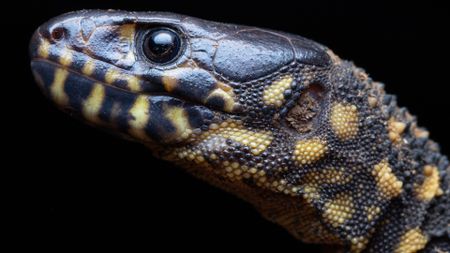
Night lizards survived dinosaur-killing asteroid strike despite living right next to impact site
2 Comments -
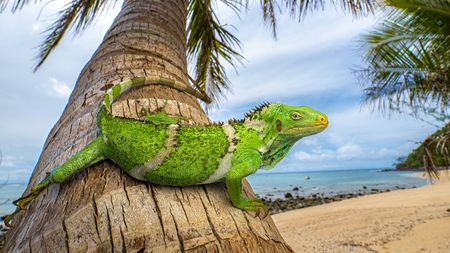
Iguanas sailed one-fifth of the way around the world on rafts 34 million years ago
-
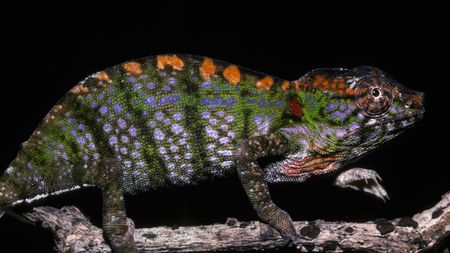
Labord's chameleon: The color-changing lizard that drops dead in 4 months
-
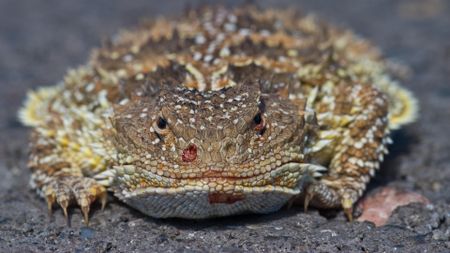
Short-horned lizard: The inflatable 'horny toad' that squirts toxic blood from its eyes
-
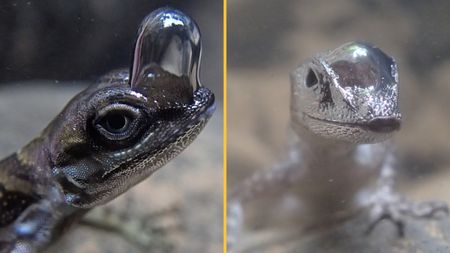
'Scuba-diving' lizards breathe underwater by wearing air bubbles on their noses — just like in a cartoon
-
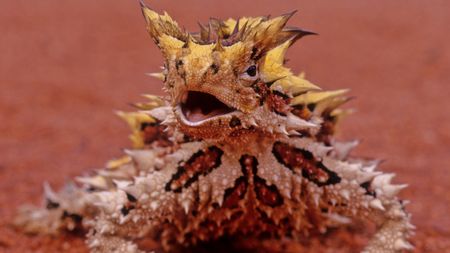
Thorny devil: The spike-covered lizard that sucks water from sand through its skin
-
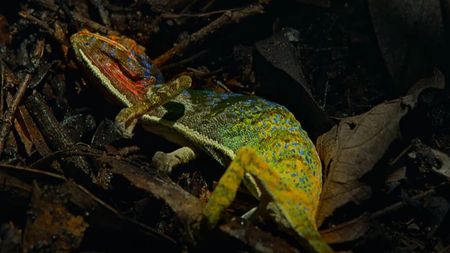
Watch chameleon erupt in color 'as if uttering her last words' in her final moments before death
-
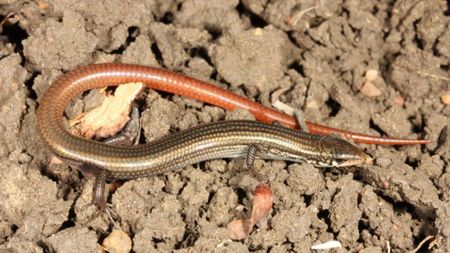
Surprise discovery of snake-like lizard feared extinct leaves scientists amazed
-
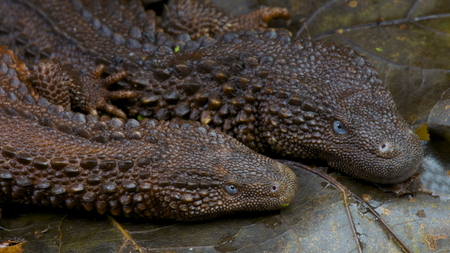
Earless monitor lizards: The 'Holy Grail' of reptiles that looks like a mini dragon
-


-
-
Snakes keep evolving into cannibals — here's what scientists think is going on
2 Comments -
Never-before-seen footage captures moment scientists find new, giant anaconda species in Amazon
10 Comments -
Anacondas became massive 12 million years ago — and it worked so well, they haven't changed size since
-
Venomous snake strikes captured in extreme detail through high-speed videos for first time
5 Comments -
Scientists could soon create a 'universal antivenom.' But would it save lives?
-
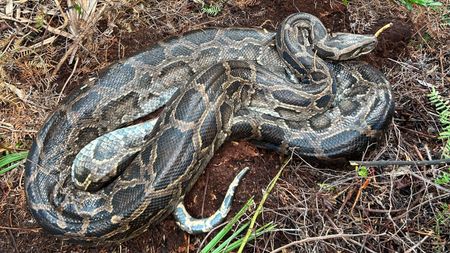
Cold snap in Florida made Burmese python puke up a whole deer
-
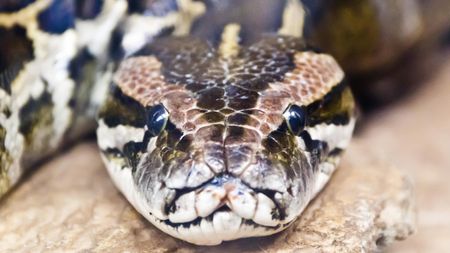
Scientists discover Burmese pythons have never-before-seen cells that help them digest entire skeletons
-
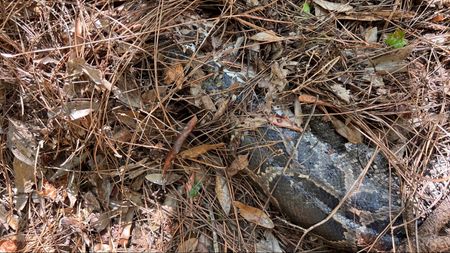
Florida bobcat bites the head off of 13-foot Burmese python in the Everglades
6 Comments -
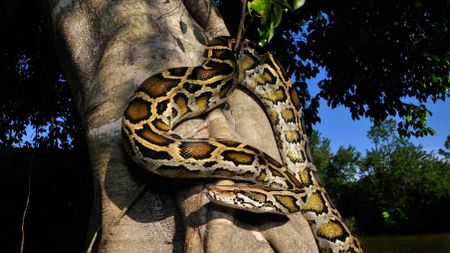
'An up-tempo version of Darwinian evolution': How a mega freeze in Florida may have caused Burmese pythons to evolve at a blindingly fast speed
3 Comments
-


-
-
Can a turtle tuck its head all the way inside its shell?
-
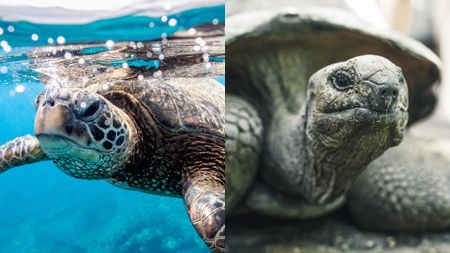
What's the difference between a turtle and a tortoise?
2 Comments -
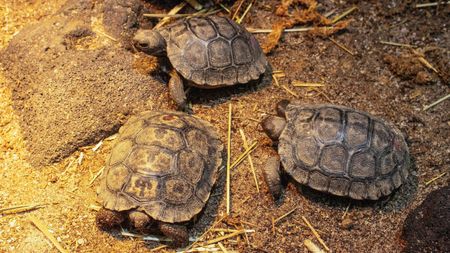
Zoo unveils babies of 100-year-old giant tortoise, 'Mommy'
-
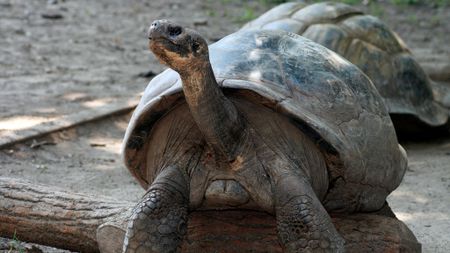
Giant tortoise becomes first-time mom at about 100 years old
3 Comments -
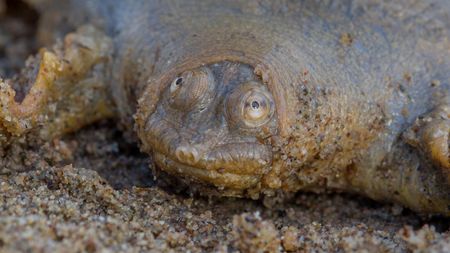
Cantor's giant softshell turtle: The frog-faced predator that spends 95% of its time completely motionless
-
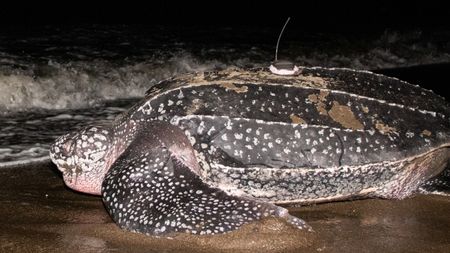
Leatherback turtle dives deeper than a Navy sub, smashing world record in the process
-
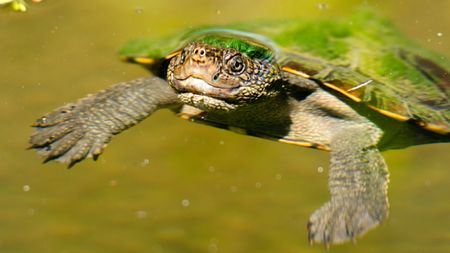
Mary River turtle: The green-haired oddball that can breathe through its butt for 72 hours
-
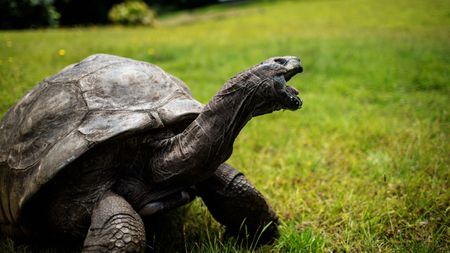
World's oldest tortoise still randy at 191 years old
-
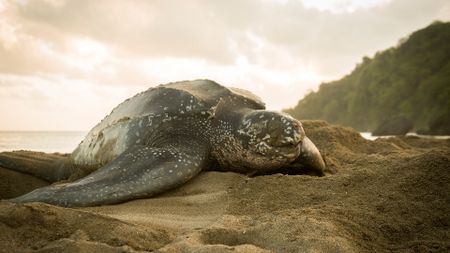
'This is the cost of living in seawater': The ingenious and (to us) heartbreaking way turtles survive the salty oceans
-


