













After Lung Cancer Surgery, Nearly Half of Patients Resume Smoking

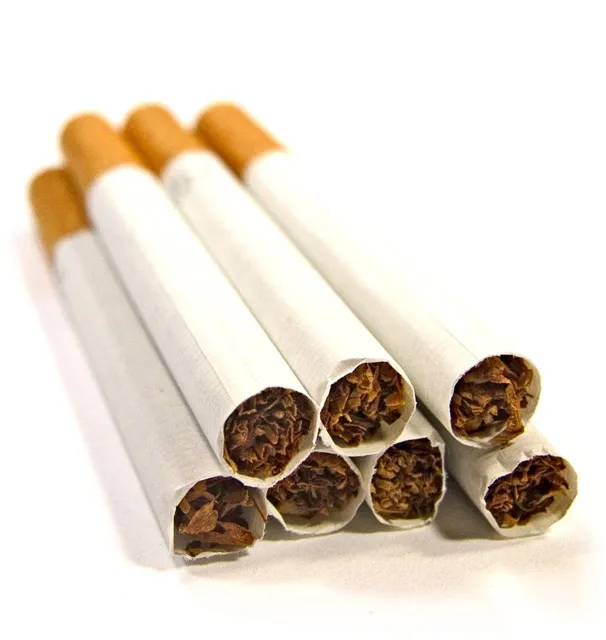
More than a third of smokers who had surgery to remove early stage lung cancer were smoking again within a year, a new study finds.
The study involved patients who were forced to quit smoking for surgery. Many were puffing away within two months of the surgery, and nearly half eventually resumed the habit.
"These patients are all addicted, so you cannot assume they will easily change their behavior simply because they have dodged this particular bullet," said study leader Mark Walker of the Washington University School of Medicine. "Their choices are driven by insidious cravings for nicotine."
The investigators found that those smokers who were the last to give up their cigarettes—some on the same day as their operation—and who saw smoking as a pleasurable activity they would have difficulty giving up, were also the first to resume the habit. And they concluded that patients who were able to hold out the longest before they took up a cigarette after surgery were the ones who were most likely not to be smoking in a year’s time.
Several previous studies had found smokers tend to relapse after lung surgery, but study results varied widely. The new study of 154 patients is the most comprehensive done on the topic. The results are published in the December issue of the journal Cancer Epidemiology Biomarkers & Prevention.
The researchers found that 43 percent of patients smoked at some point after surgery and 37 percent were smoking 12 months after their operation.
Tobacco is responsible for about 435,000 deaths every year in the United States, according to the U.S. Centers for Disease Control and Prevention (CDC).
Get the world’s most fascinating discoveries delivered straight to your inbox.
- Bad Habits: Why We Can't Stop
- 10 Easy Paths to Self Destruction
- Risk Takers Follow in Parents' Dangerous Footsteps
- Top 10 Bad Things That Are Good For You
- Video: Addiction is in Your Genes
