













Tremors deep inside the Earth are usually produced by magma flowing beneath volcanoes, but a new study suggests they can also be produced by the shifting and sliding of tectonic plates.
Scientists have recorded vibrations from underground tremors at a geologic observatory along the San Andreas Fault, an 800 mile scar in the earth that runs through California. The fault marks the boundary between the Pacific Tectonic Plate and the North American Plate.
Tectonic plates are large pieces of the Earth's crust that bump and grind like chunks of sea ice floating atop the ocean. The Earth's surface is made up of about ten major tectonic plates and many more minor ones.
Tremors are sustained vibrations that occur deep inside the Earth.
"Unlike the sharp jolt of an earthquake, tremors within Earth's crust emerge slowly, rumbling for longer periods of time," explained Kaye Shedlock, the program director for Earthscope at the National Science Foundation.
EarthScope is a project investigating the structure and evolution of the North American continent and the physical processes controlling earthquakes and volcanic eruptions.
Normally, tremors are produced by the movement of magma in cracks and other channels beneath volcanoes.
Get the world’s most fascinating discoveries delivered straight to your inbox.
But there are no volcanoes located near the Earthscope San Andreas Observatory at Depth (SAFOD) in Parkfield, California, where the new tremors were recorded.
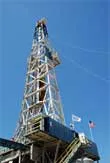
These are the first recordings of non-volcanic tremors deep inside the Earth. They were recorded in deep boreholes that were drilled down to a depth of about 2 miles.
Instead of volcanoes, the scientists think the subterranean rumblings might be caused by processes similar to those that produce tremors near the Cascadia Subduction Zone, an active fault that runs from mid-Vancouver Island to northern California.
Those tremors are caused by the sliding of the undersea Juan de Fuca tectonic plate beneath the North American plate.
The two plates making up the San Andreas Fault are different from those in the Cascadia Subduction Zone, however, in that they slide past another, much like two cars moving very slowly in opposite directions on a freeway, in what scientists call a "slip."
"Right now we have no recorded slip associated with the tremors, so we haven't been able to see the other part," Earthscope facility project director Greg van der Vink told LiveScience.
Earthscope researchers hope to definitively link the two events by installing instruments called laser strainmeters inside the borehole which are capable of measuring slips as the tremors happen.
- Quiz: 100 Years After the Great 1906 Quake
- Ominous Rumbling Under San Andreas Fault
- Inside an Earthquake: Geologists Penetrate Fault Zone 2 Miles Down
- New Method Promises Better Earthquake Prediction
- How Volcanoes Work