













Ebola Outbreak Was Quickly Contained in Congo: How?

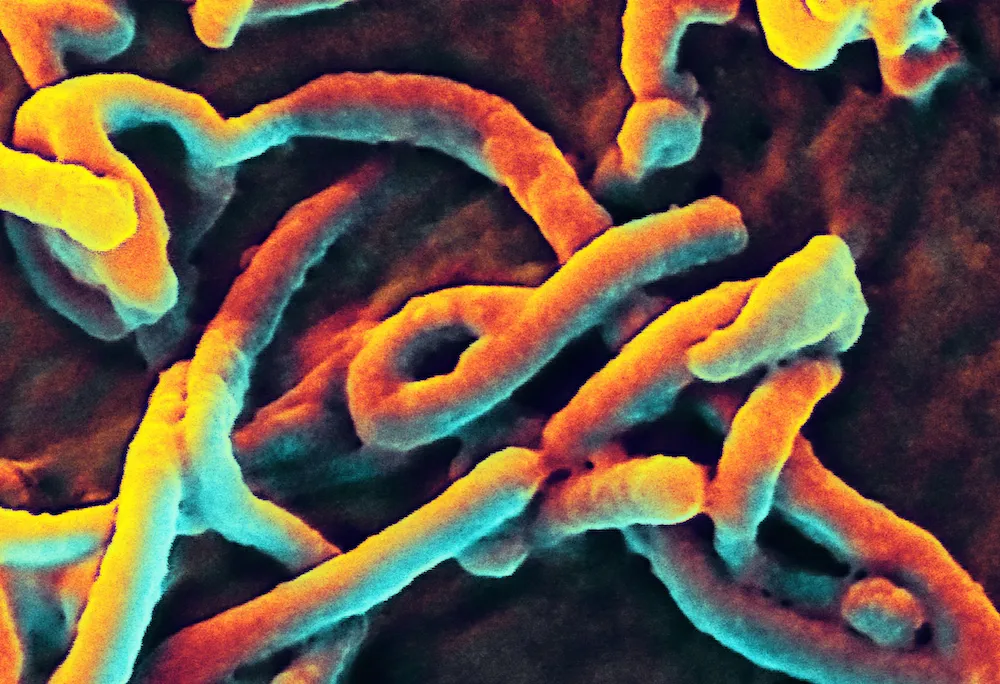
Aside from the three nations in West Africa that are struggling with the Ebola outbreak, another outbreak of the virus occurred in Central Africa and was quickly contained. Now, new studies confirm that the two outbreaks were unrelated, and offer explanations why one was contained, while the other spiraled out of control.
The Ebola outbreak in the Democratic Republic of the Congo (DRC) began July 26 and was the seventh outbreak in this region since the discovery of the virus in 1976. The first patient was a pregnant woman from Ikanamongo Village who likely contracted the virus when she butchered a bush animal. She died Aug. 11. About 70 more people also became ill and more than 40 died by October, but the outbreak seems to have been tapering off since.
In contrast, the Ebola outbreak in West Africa has affected at least 8,400 people and killed more than 4,000 people since it began in Guinea in early 2014 and spread to the neighboring countries of Liberia and Sierra Leone.
In one new study, published online today (Oct.15) in the New England Journal of Medicine, researchers performed genetic sequencing on virus samples taken from patients in Congo.
They found that the virus in the Congo outbreak is 99.2 percent similar to the Ebola virus that caused an outbreak in Congo in 1995, but is less similar (96.8 percent) to the virus currently circulating in West Africa.
The genetic findings, together with the geographic separation of the two outbreaks, make it clear that the outbreak in the DRC is an independent event with no connection to the epidemic in West Africa, the researchers said. [2014 Ebola Outbreak: Full Coverage of the Viral Epidemic]
Moreover, the newest outbreak in Congo will probably follow a similar course as other Ebola outbreaks in this region: Central African outbreaks in the past have typically had a low number of people affected, and have been brought under control within two to three months, the researchers said.
Get the world’s most fascinating discoveries delivered straight to your inbox.
It is not clear exactly why outbreaks in Congo are easier to manage than the epidemic in West Africa, but experts have pointed to some differences between the two regions.
After experiencing six Ebola outbreaks in less than 40 years, Congo is well prepared, and the country's response to outbreaks is quicker and more effective than it might be elsewhere. "The time that it takes to respond to news of an outbreak has been shortened over the years," the researchers wrote.
In contrast, the three worst-hit countries in the West African Ebola outbreak had never encountered this virus.
Moreover, Congo outbreaks tend happen in isolated, forested areas. But in Guinea, Liberia and Sierra Leone, villages, towns and capital cities are well connected to each other via extensive networks of footpaths, dirt roads and paved highways, making it easier for the virus to spread between communities and across frequently traveled borders.
This is not the only time that two unrelated Ebola outbreaks happened simultaneously. In fact, when the virus first emerged in 1976, it caused two nearly simultaneous but unrelated outbreaks in Congo (which was then Zaire) and in Sudan.
Email Bahar Gholipour. Follow Live Science @livescience, Facebook & Google+. Originally published on Live Science.
