
 Live Science Plus


How Do People Survive Ebola?

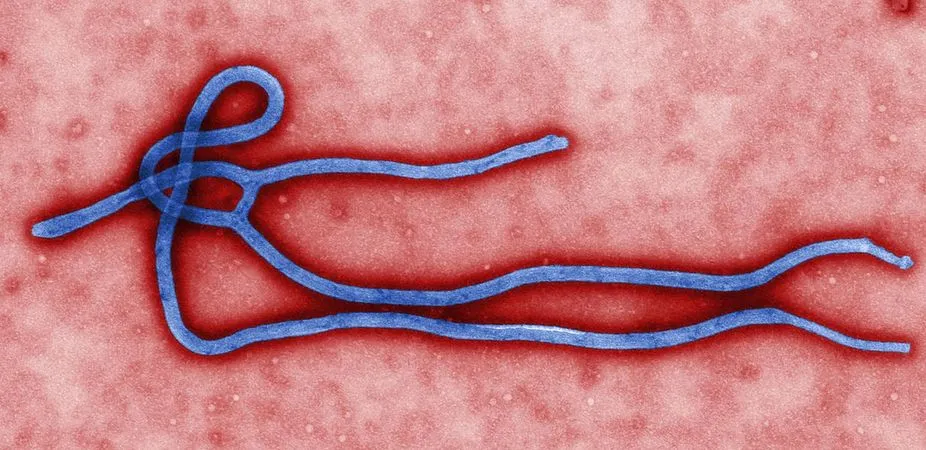
Ebola is a frightening, highly lethal virus — in the current outbreak in West Africa, about 60 percent of people infected with the pathogen have died. Although in the minority, some people do recover from infection.
Doctors don't know for certain who will survive Ebola, and there is no specific treatment or cure for the disease. But studies suggest there are some biological markers linked with a higher chance of surviving Ebola, experts say.
When a person becomes infected with Ebola, the virus depletes the body's immune cells, which defend against infection, said Derek Gatherer, a bioinformatics researcher at Lancaster University in the United Kingdom, who studies viral genetics and evolution. In particular, the Ebola virus depletes immune cells called CD4 and CD8 T lymphocytes, which are crucial to the function of the immune system, Gatherer said. [5 Things You Should Know About Ebola]

But if a person's immune system can stand up to this initial attack — meaning their immune cells are not as depleted in the first stages of infection — then studies suggest they are more likely to survive the disease.
"The patients that survive it best are the ones who don't get such a bad [immune] deficiency," Gatherer told Live Science.
But if the body is not able to fend off this attack, then the immune system becomes less able to regulate itself, Gatherer said. This means the immune system is more likely to run out of control and release a "storm" of inflammatory molecules, which cause tiny blood vessels to burst, leading in turn to a drop in blood pressure, multi-organ failure and eventually death.
The current Ebola outbreak — which is in Guinea, Sierra Leone and Liberia — has infected at least 1,603 people, including 887 who have died, according to the World Health Organization, making it the largest outbreak in history.
Another marker linked with people's ability to survive Ebola is a gene called human leukocyte antigen-B, which makes a protein that is important in the immune system. A 2007 study found that people with certain versions of this gene, called B*07 and B*14, were more likely to survive Ebola, while people with other versions, called B*67 and B*15, were more likely to die.
Finally, some people may be resistant to Ebola infection entirely, if they have a mutation in a gene called NPC1. Studies show that, when researchers take cells from people with the NPC1 mutation and try to infect them with Ebola in a laboratory dish, these cells are resistant to the virus.
In European populations, about 1 in 300 to 1 in 400 people have this mutation, Gatherer said. But in some populations, this mutation is more common: in Nova Scotia, between 10 and 26 percent of people have this mutation, Gatherer said. But the frequency of this mutation in African populations is not known, he said.
However, because these studies on Ebola resistance were done in a lab, it's not known for certain if carriers of the NPC1 are truly resistant to Ebola.
Gatherer said that, hopefully, samples are being collected in the current outbreak so that researchers can conduct studies to better understand the virus and how to survive it.
Follow Rachael Rettner @RachaelRettner. Follow Live Science @livescience, Facebook & Google+. Original article on Live Science.
