Stem Cell Scientists Guilty of Misconduct, Panel Rules
Get the world’s most fascinating discoveries delivered straight to your inbox.
You are now subscribed
Your newsletter sign-up was successful
Want to add more newsletters?
Delivered Daily
Daily Newsletter
Sign up for the latest discoveries, groundbreaking research and fascinating breakthroughs that impact you and the wider world direct to your inbox.
Once a week
Life's Little Mysteries
Feed your curiosity with an exclusive mystery every week, solved with science and delivered direct to your inbox before it's seen anywhere else.
Once a week
How It Works
Sign up to our free science & technology newsletter for your weekly fix of fascinating articles, quick quizzes, amazing images, and more
Delivered daily
Space.com Newsletter
Breaking space news, the latest updates on rocket launches, skywatching events and more!
Once a month
Watch This Space
Sign up to our monthly entertainment newsletter to keep up with all our coverage of the latest sci-fi and space movies, tv shows, games and books.
Once a week
Night Sky This Week
Discover this week's must-see night sky events, moon phases, and stunning astrophotos. Sign up for our skywatching newsletter and explore the universe with us!
Join the club
Get full access to premium articles, exclusive features and a growing list of member rewards.
A biologist in Japan who recently reported a relatively fast and easy method for creating embryonic stem cells has been found guilty of scientific misconduct, a committee announced today (April 1), NPR reported.
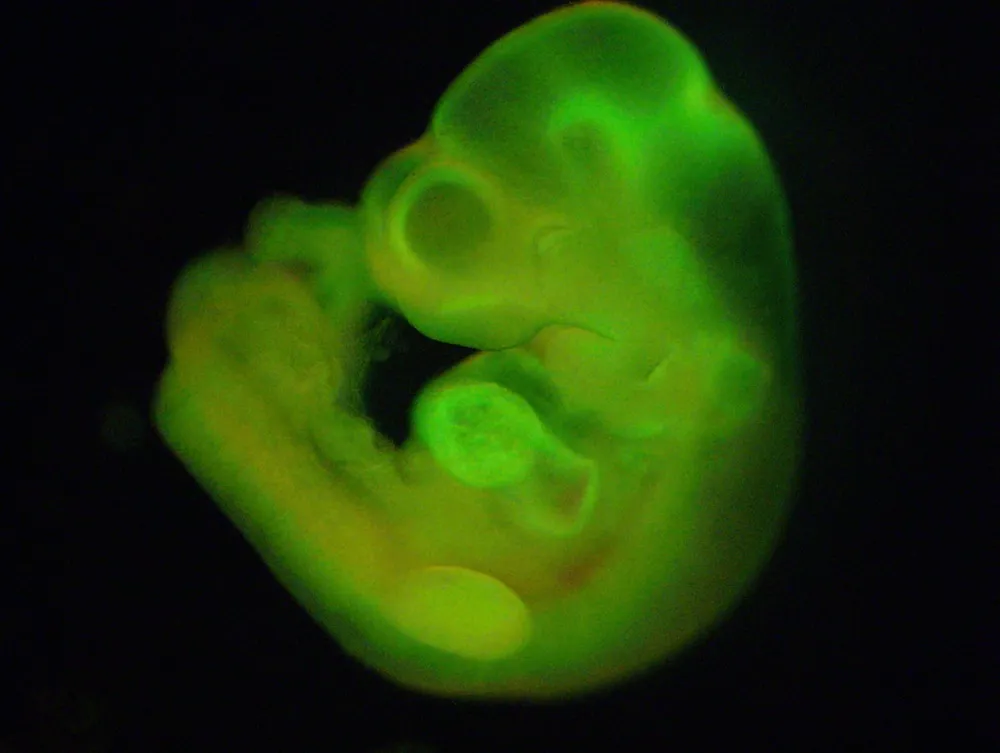
Haruko Obokata, of the RIKEN Centers for Developmental Biology in Japan, authored two studies published in January in the journal Nature detailing a new way to produce stem cells, which are cells that have the potential to develop into many kinds of tissue, by exposing them to a mildly acidic environment.

The RIKEN Center began investigating claims of possible fraud in March, and the investigative panel now says it has found six errors in the studies, including four innocent mistakes, and two that involved intentionally manipulating data, Nature reported.
"Actions like this completely destroy data credibility," molecular biologist Shunsuke Ishii, chairman of the investigating committee, said at a news conference Tuesday in Tokyo.
Obokata claims the errors were all made innocently, and plans to appeal the panel's judgement.
The journal Nature is still investigating the studies, and has not yet retracted them.
Follow Tanya Lewis on Twitter and Google+. Follow us @livescience, Facebook & Google+.
Get the world’s most fascinating discoveries delivered straight to your inbox.