 Live Science Plus





You are now subscribed
Your newsletter sign-up was successful
Want to add more newsletters?

Delivered Daily
Daily Newsletter
Sign up for the latest discoveries, groundbreaking research and fascinating breakthroughs that impact you and the wider world direct to your inbox.

Once a week
Life's Little Mysteries
Feed your curiosity with an exclusive mystery every week, solved with science and delivered direct to your inbox before it's seen anywhere else.

Once a week
How It Works
Sign up to our free science & technology newsletter for your weekly fix of fascinating articles, quick quizzes, amazing images, and more

Delivered daily
Space.com Newsletter
Breaking space news, the latest updates on rocket launches, skywatching events and more!

Once a month
Watch This Space
Sign up to our monthly entertainment newsletter to keep up with all our coverage of the latest sci-fi and space movies, tv shows, games and books.

Once a week
Night Sky This Week
Discover this week's must-see night sky events, moon phases, and stunning astrophotos. Sign up for our skywatching newsletter and explore the universe with us!
Join the club
Get full access to premium articles, exclusive features and a growing list of member rewards.
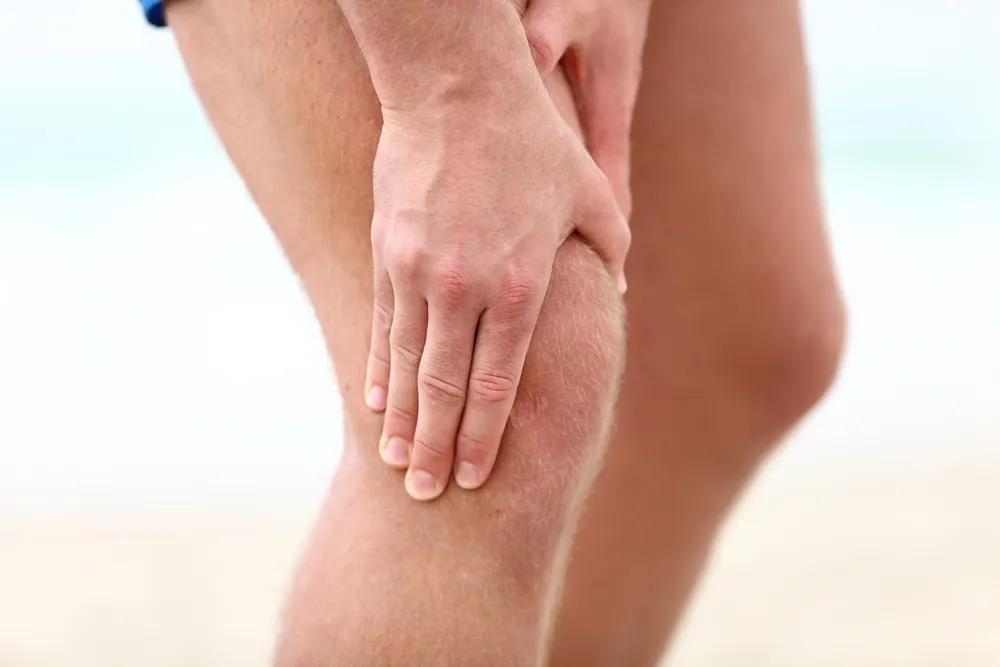
For people with knee osteoarthritis, taking the supplement glucosamine may not decrease the loss of knee cartilage or pain, at least in the short term, a new study finds.
The study involved about 200 people with mild to moderate knee pain that is common among those with knee osteoarthritis. Participants were randomly assigned to drink either a glass of lemonade containing glucosamine, or plain lemonade (a placebo), every day for six months. Neither the participants nor the researchers knew which treatment the participants received.
At the end of the study, participants who took glucosamine were just as likely as those who took the placebo to experience loss of knee cartilage. There was also no difference in the amount of pain people in each group reported. [Wishful Thinking: 6 'Magic Bullet' Cures That Don't Exist]
Osteoarthritis is a condition in which cartilage between the joints wears down over time, which can cause pain and joint stiffness. Because there are no approved drugs to stop progression of osteoarthritis, people with the condition often turn to alternative therapies, and glucosamine is the second most common non-vitamin used among people with joint pain and arthritis, the researchers said. A 2007 Gallup poll found that more than 10 percent of American adults say they use glucosamine.
However, studies on the effect of glucosamine on osteoarthritis have been mixed, with some studies finding that it reduces pain and cartilage loss and other studies showing no benefit.
Most previous studies have used X-rays to evaluate cartilage damage, but X-rays are not able to show cartilage directly (rather, they show the spaces within the knee joint), the researcher said. In the new study, researchers used magnetic resonance imaging (MRI), which allows researchers to directly view the cartilage.
It's possible that people with more severe pain from osteoarthritis may have a different result from that seen in the study, the researchers said. The study also did not look at the effect of chondroitin, another supplement that is often taken with glucosamine.
The study, conducted by researchers at the University of Arizona, was funded by the Beverage Institute for Health & Wellness, The Coca-Cola Co. and the National Institute of Arthritis, Musculoskeletal and Skin Diseases. It is published today (March 11) in the journal Arthritis & Rheumatology.
Follow Rachael Rettner @RachaelRettner. Follow Live Science @livescience, Facebook & Google+. Original article on Live Science.

