













Herpes Pictures & Symptoms of Herpes Simplex

Herpes represents a range of infections caused by different types of the herpes virus. Cold sores around the mouth can be a symptom of Herpes Simplex Virus Type 1 (HSV-1). Genital herpes, with symptoms including lesions on or around the genitals and rectum and even thighs and buttocks, is caused by Herpes Simplex Virus Type 2 (HSV-2) and is sexually transmitted.
Pictures of herpes reveal a range of symptoms. More information on the types of herpes is below.
Warning: The clinical herpes pictures on this page may be disturbing to some people. The photos are publically available in an online resource center provided by the U.S. Centers for Disease Control and Prevention. These pictures are among the least graphic and are published here in the interest of providing information to those who may wonder if they or a loved one has contracted herpes. However, none of these images nor the information on this page should be construed as medical advice nor an attempt to make diagnoses. Anyone who thinks they may be infected with the herpes virus should seek medical attention.
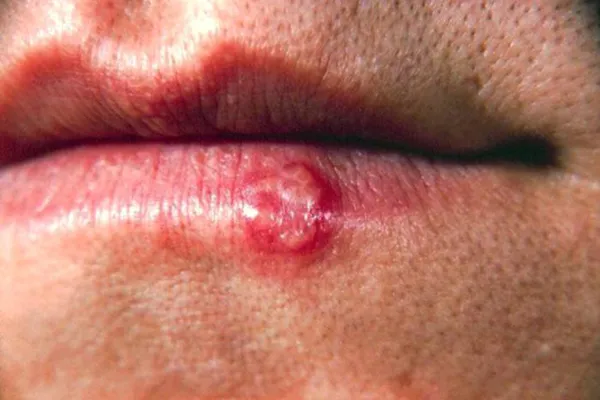
Herpes Simplex Virus Type 1(HSV-1), which causes cold sores, is transmitted by direct contact with body fluids, such as saliva (through kissing). It can be transmitted by oral sex, too. Sharing towels or razors with an infected individual can also result spread the virus. Doctors refer to the cold sores as recurrent herpes labialis; they are also known as fever blisters. Nearly one-third of U.S. children ages 6 to 13 have tested positive for HSV-1 antibodies. More than 25 percent of children were infected by age 7 and most adults are infected. However, recurring cold sores appear in just 14 to 40 percent of those infected. There is no cure, but antiviral medication can reduce the frequency and severity of outbreaks.

Herpes Simplex Virus Type 2(HSV-2), or genital herpes, is transmitted by sexual intercourse or direct contact with a herpes sore. It can lay dormant for long periods in an infected person. People infected but who do not show symptoms can still spread the disease. About 16.2 percent of U.S. residents between ages 14 and 49 are infected with genital herpes, according to the CDC. Condoms and abstinence are among the prevention strategy. There is no cure, but antiviral drugs can cut down on the frequency and severity of outbreaks.
Herpes outbreaks can cause lesions and sores in other areas of the body:


There are other forms of the herpes virus:
Get the world’s most fascinating discoveries delivered straight to your inbox.
· Herpes zoster causes shingles.
· Scientists speculate that chronic fatigue might be caused by herpes virus 6 (HHV-6).
· Some studies suggest HSV-1, the herpes that causes cold sores, might play a role in the development of Alzheimer’s disease.
Herpes is not just a human condition. Animals get herpes, too. And the herpes virus kills coral reefs.
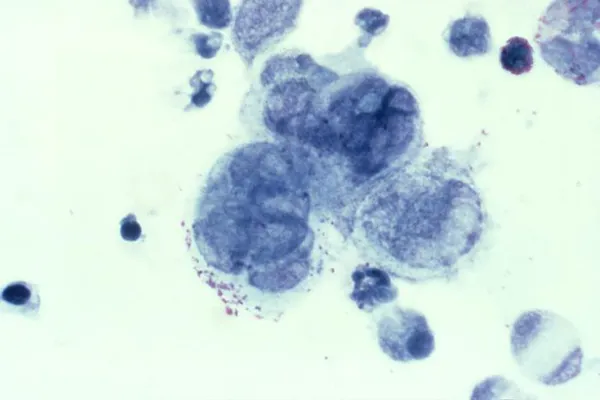
Additional pictures of herpes are available from the CDC’s image library.
Follow LiveScience on Twitter @livescience. We're also on Facebook & Google+.
