Crikey! Crocodiles and Alligators Snack on Fruit

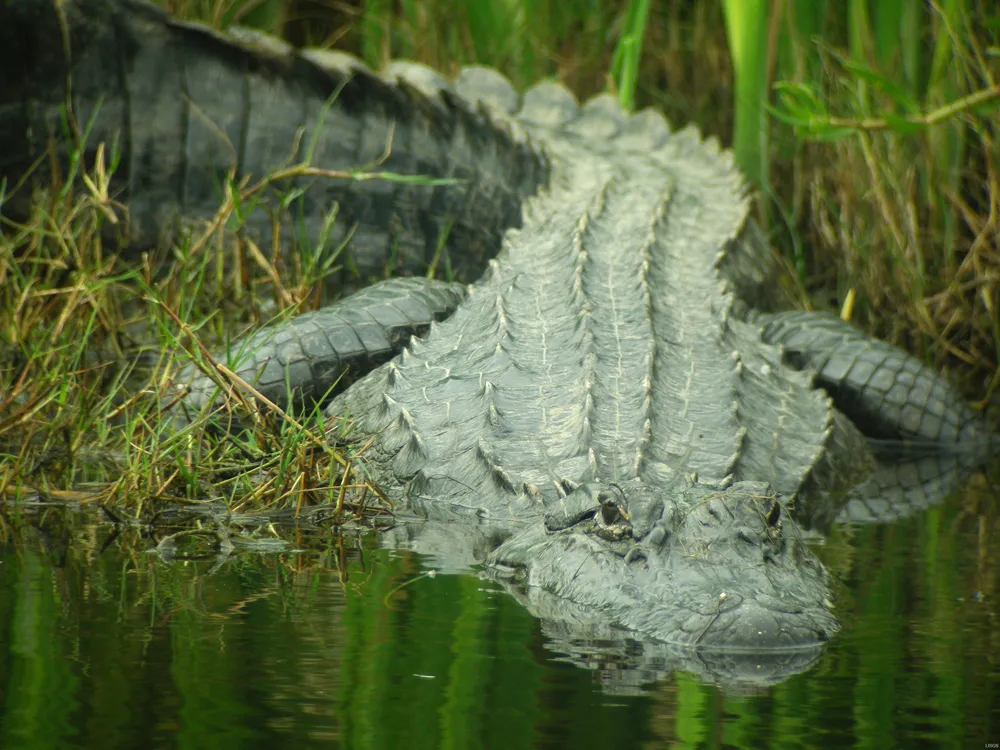
Crocodiles and alligators are infamous carnivores, but it turns out they do not live on meat alone — scientists have unexpectedly discovered that these predators occasionally snack on fruit as well.
These surprising findings suggest crocodilians — which include alligators, crocodiles and their close relatives — might, via seeds they poop out or regurgitate, act a bit like Johnny Appleseed, helping forests grow by planting seeds across their territories.
Scientists investigated 18 species of crocodilian, ranging from the American alligator to the fearsome Nile crocodile, and found evidence that 13 of those species devoured fruit of some kind, including a variety of berries, legumes, nuts and grains.
"Crocodilians consume fruits, and such behavior seems very common, contrary to what people have thought for many years," said researcher Steven Platt, a herpetologist at the Wildlife Conservation Society. [Alligators vs. Crocodiles: Photos Reveal Who's Who]
Although, at times, the reptiles ate the fruit accidentally — for instance, if the fruit was in the guts of prey they captured — the researchers found evidence that the fruit was also consumed deliberately and in large quantities. For instance, scientists have seen crocodilians eating wild grapes, elderberries and citrus fruit directly from trees.
"I had found seeds in crocodiles before, but I had just assumed they were not important — and when I talked with other crocodilian biologists, everyone had the same experience," Platt told LiveScience. "Everyone just rejected the notion that crocodilians eat fruit because everyone supposed they only ate meat."
Although early research suggested crocodilians were unable to digest sugars and other plant-based nutrients, subsequent work with the American alligator has demonstrated otherwise. Crocodilians do not chew — any fruit would likely get swallowed whole to digest in the strong acids of their guts.
Get the world’s most fascinating discoveries delivered straight to your inbox.
"Crocodilians always surprise us," Platt said. "I've been doing research on them for 25 years, and I'm still learning something new all the time — they're fascinating animals."
Crocodilians might potentially spread plants far and wide, researchers suggested.
"Some crocodilians make transoceanic journeys — some crocodilians, such as the saltwater crocodile, have been found to wander 1,000 miles (1,600 kilometers), swimming from island to island," Platt said. "There are all sorts of interesting implications there for the movement of plants across islands."
The researchers would now like to feed fruit to crocodilians to see what happens to the seeds.
"Do they regurgitate them out their mouths, or do they come out in their feces?" Platt asked. "What effects do their guts have on the seeds?"
The scientists detailed their findings in the July issue of the Journal of Zoology.
Follow LiveScience @livescience, Facebook & Google+. Original article on LiveScience.