 Live Science Plus





You are now subscribed
Your newsletter sign-up was successful
Want to add more newsletters?

Delivered Daily
Daily Newsletter
Sign up for the latest discoveries, groundbreaking research and fascinating breakthroughs that impact you and the wider world direct to your inbox.

Once a week
Life's Little Mysteries
Feed your curiosity with an exclusive mystery every week, solved with science and delivered direct to your inbox before it's seen anywhere else.

Once a week
How It Works
Sign up to our free science & technology newsletter for your weekly fix of fascinating articles, quick quizzes, amazing images, and more
Delivered daily
Space.com Newsletter
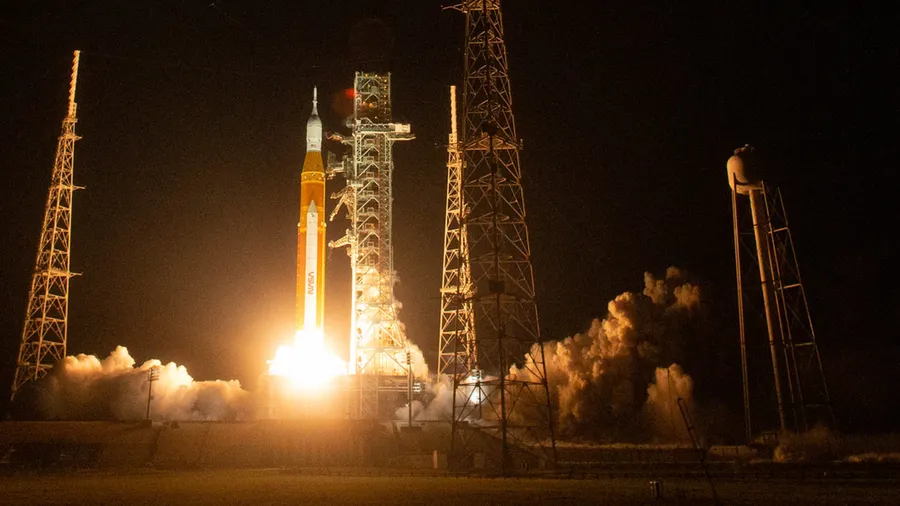
Breaking space news, the latest updates on rocket launches, skywatching events and more!
Once a month
Watch This Space
Sign up to our monthly entertainment newsletter to keep up with all our coverage of the latest sci-fi and space movies, tv shows, games and books.

Once a week
Night Sky This Week
Discover this week's must-see night sky events, moon phases, and stunning astrophotos. Sign up for our skywatching newsletter and explore the universe with us!
Join the club
Get full access to premium articles, exclusive features and a growing list of member rewards.
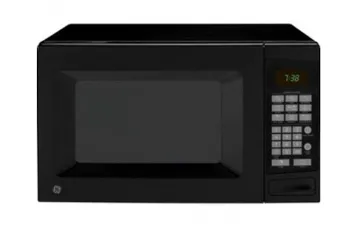
Percy Spenser was conducting radar experiments during World War II when he got close to a microwave-emitting tube and accidentally melted the candy bar in his pocket. (Eureka!) Spenser quickly understood the sweet implications of the event, and soon patented the first microwave heating device.
But how does a microwave work? Let's zap some lunch and find out.
Because not all the water in your burrito has frozen (due to the presence of other chemicals, like salt), heat is generated in those pockets of free molecules sooner than in frozen areas. That's why your burrito sometimes comes out unevenly heated.
Why can't you wrap your meal in aluminum foil? Metal blocks the high-energy particles of the electromagnetic field, making for more trouble than a melted candy bar.
Follow Life's Little Mysteries on Twitter @llmysteries. We're also on Facebook & Google+.
