 Live Science Plus






Africa's First Night Sky 'Reserve' Is Stargazing Haven
You are now subscribed
Your newsletter sign-up was successful
Want to add more newsletters?

Delivered Daily
Daily Newsletter
Sign up for the latest discoveries, groundbreaking research and fascinating breakthroughs that impact you and the wider world direct to your inbox.

Once a week
Life's Little Mysteries
Feed your curiosity with an exclusive mystery every week, solved with science and delivered direct to your inbox before it's seen anywhere else.

Once a week
How It Works
Sign up to our free science & technology newsletter for your weekly fix of fascinating articles, quick quizzes, amazing images, and more
Delivered daily
Space.com Newsletter
Breaking space news, the latest updates on rocket launches, skywatching events and more!
Once a month
Watch This Space
Sign up to our monthly entertainment newsletter to keep up with all our coverage of the latest sci-fi and space movies, tv shows, games and books.
Once a week
Night Sky This Week
Discover this week's must-see night sky events, moon phases, and stunning astrophotos. Sign up for our skywatching newsletter and explore the universe with us!
Join the club
Get full access to premium articles, exclusive features and a growing list of member rewards.
The NamibRand Nature Reserve, a private nature reserve in southern Namibia, has gotten the stamp of approval to become an official night sky reserve — a spot supremely suited for some of the best stargazing on Earth.
The sprawling park, which covers more than 600 square miles (1,500 square kilometers) of the southern African country, is home to some of the darkest skies yet measured, according to a statement from the International Dark-Sky Association, an organization that certifies "starlight reserves" around the world.
Park staff have made an effort to modify any lighting on the grounds to preserve the natural darkness for the sake of the region's wildlife and human visitors — and to enhance the views of the glittering night sky overhead.
"Viewing the pristine night sky over the NamibRand is an unforgettable experience," George Tucker, a retired physics professor who first identified the area as a candidate for reserve status, said in a statement.
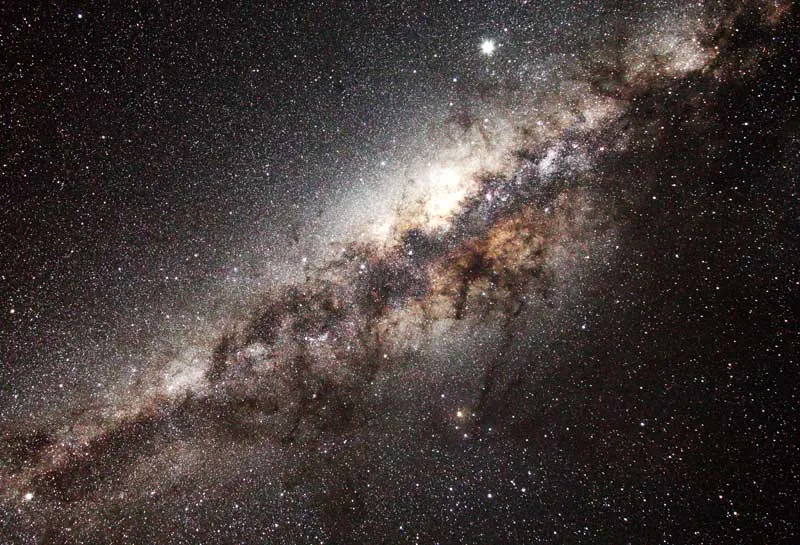
The closest communities lie at least 60 miles (97 km) away from the nature reserve, creating a vast pool of darkness that allows the splendor of the Milky Way to blaze overhead without interference from light pollution.
And a local organization, the Namib Desert Environmental Education Trust (NaDEET), is teaching visitors to the park about astronomy and the importance of preserving dark skies. Overnight guests, including local school children, can sleep out under the stars at an education center in the park.
"Prior to the NaDEET astronomy activity, even the most basic knowledge about the night sky and the threats posed by light pollution were completely unknown to most Namibian children," said Viktoria Keding, NaDEET's director.
"This recognition therefore makes our participants aware of just how unique it is to have a dark night sky," she said in a statement.
Follow OurAmazingPlanet for the latest in Earth science and exploration news on Twitter @OAPlanet and on Facebook.

