













How to Test a Diamond

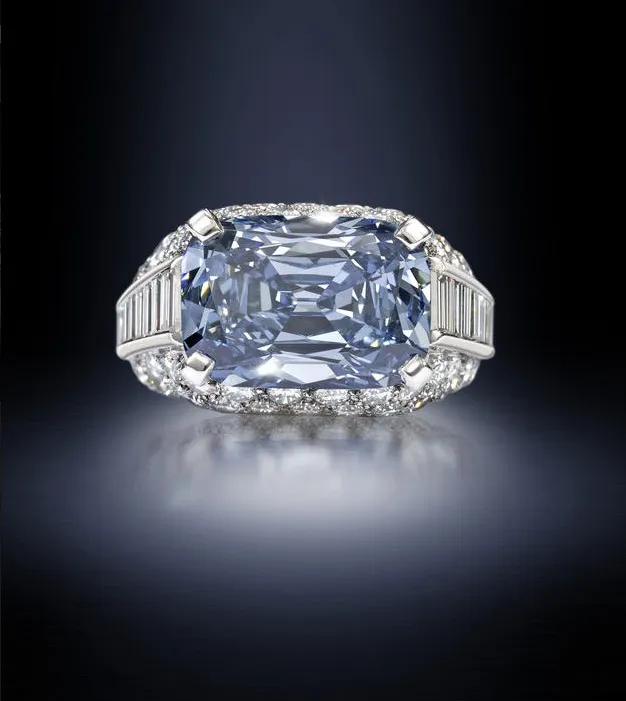
In the past, one of the most common techniques to test if a diamond was real or synthetic was to scratch the gem against glass — if the glass is scraped or scratched, the diamond's real.
But this method is not foolproof, as some faux diamonds can also scratch glass. So how can you tell if a diamond is real?
There are several at-home methods you can use to verify the authenticity of a diamond, according to diamond jeweler company Abazias.
One technique involves placing the gem over a newspaper or other printed text — real diamonds refract light so much that you wouldn't be able to see any lines, circles or full letters coming through. But a diamond that's cut too shallow may produce inconclusive results.
Another test requires breathing on the gem like you would a mirror. Diamonds are good at conducting heat, so the fog your breath creates should clear up almost instantly. However, a synthetic rock called moissanite can pass this test.
Because different stones have different densities, you can also compare how heavy your gem is to a real diamond of roughly equal size. For instance, if your stone is a cubic zirconia, it will be about 50 percent heavier than a real diamond of equal size.
If you really want to be positive, you need to go electronic. Commercial pen-size probes, called simply "diamond testers," can test the thermal conductivity of your gem.
Get the world’s most fascinating discoveries delivered straight to your inbox.
However, moissanite registers as a diamond with these devices, just like with the breath test. So, you may need another probe that reads the stone's electrical conductivity (or a dual tester that measures both properties).
Of course, these tests don't tell you anything about the value of your diamond. According to the Gemological Institute of America, jewelers grade diamonds on the "4Cs" — cut, clarity, color and carat weight.
Follow LiveScience on Twitter @livescience. We're also on Facebook & Google+.
