













How Women Can Cut Stroke Risk: Eat Fruits & Veggies
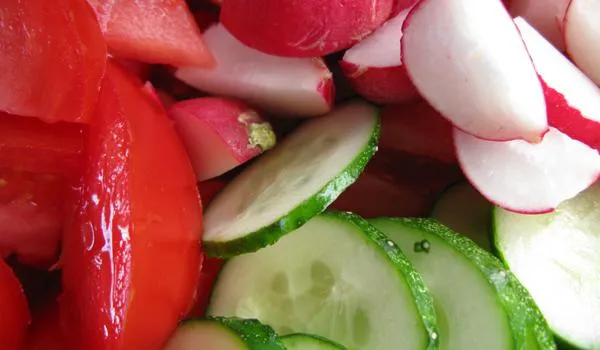
Researchers have uncovered yet another reason for you to eat your veggies: a diet full of antioxidant-rich vegetables, fruits and grains can lower stroke risk among women, according to a new study.
The researchers found that among women with no history of cardiovascular disease, those with the highest amount of antioxidants in their diets — which mainly came from fruits and vegetables — had a 17 percent lower risk of stroke than those with low diets low in antioxidants.
And among women who did have a history of cardiovascular disease, those whose diets included a high level of antioxidants had a 46 percent to 57 percent lower risk of hemorrhagic stroke, compared with those who had lower antioxidant levels, according to the study.
"People should eat more foods, such as fruits and vegetables, that contribute to total antioxidant capacity," study researcher Susanne Rautiainen, of the Karolinska Institute in Sweden, said in a statement.
Vegetables and heart disease
The researchers tracked the health of 36,715 women, ages 49 to 83, for about a decade. At the beginning of the study, 31,035 of the participants were free of heart disease, while 5,680 had a history of heart disease.
The participants filled out questionnaires, and the researchers used the dietary data and a standard database to determine participants' total antioxidant capacity — a measure of all antioxidants in their diet.
Get the world’s most fascinating discoveries delivered straight to your inbox.
Antioxidants such as vitamins C and E, carotenoids and flavonoids can counter the effects of free radicals, which are molecules that can cause tissue damage. Therefore the antioxidants can help reduce blood clotting, blood pressure and inflammation in the body, according to the researchers.
Healthier in other ways?
The researchers noted that other health factors may have played a role in the lower stroke rates.
"Women with a high antioxidant intake may be more health-conscious, and have the sort of healthy behaviors that may have influenced our results," Rautiainen said.
However, Rautiainen added that their findings showed fewer strokes among those with high amounts of antioxidants even after they adjusted for such health-related behaviors as education, smoking and physical activity.
The study was published online today (Dec. 1) in the journal Stroke: Journal of the American Heart Association.
Pass it on: For women, eating an antioxidant-rich diet full of vegetables, fruits and grains may reduce stoke risk.
Follow Remy Melina on Twitter @remymelina, and follow MyHealthNewsDaily @MyHealth_MHND. Like us on Facebook.