















West Nile Virus: Causes, Symptoms and Prevention
Reference Article: Facts about West Nile virus.
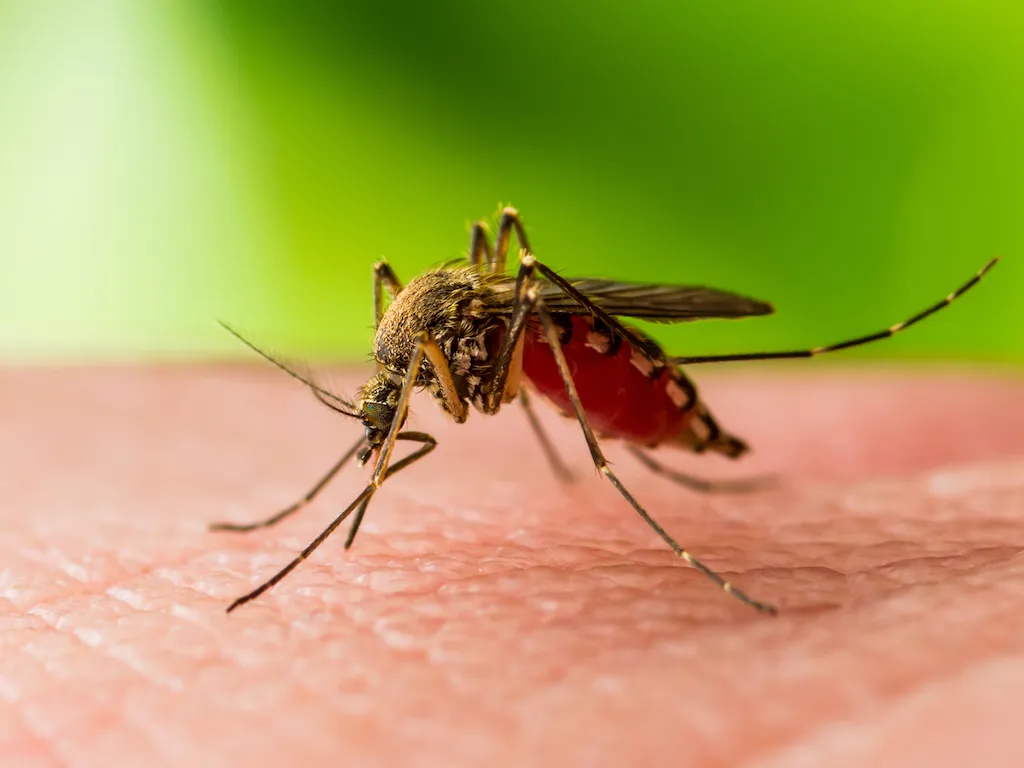
West Nile virus (WNV) is an infectious disease transmitted to people via the bite of an infected mosquito, most often during warm-weather months. Mosquitoes contract the virus from biting an infected bird.
Most people (about 8 in 10) infected with West Nile virus have no symptoms at all. Only about 20% of infected people develop West Nile fever, a typically mild, flu-like illness.
Less than 1% percent of infected people may become seriously ill. This severe form of infection, called West Nile virus neuroinvasive disease, can cause swelling in the brain and, in rare instances, can be life-threatening.
Related: The 9 Deadliest Viruses on Earth
WNV neuroinvasive disease may lead to encephalitis (inflammation of the brain) or meningitis (inflammation of the membranes surrounding the brain and spinal cord), according to the Centers for Disease Control and Prevention (CDC). About 10% percent of people with neuroinvasive disease die, according to CDC statistics.
Where did the West Nile virus come from?
The virus was first isolated in 1937, from a woman in the West Nile district of Uganda; from that region, it spread to other countries in Africa, Asia, Europe and the Middle East, according to the Baylor College of Medicine in Houston.
A strain of the virus made its way to New York in the summer of 1999, possibly due to migratory birds, and this eventually led to a large WNV outbreak that had spread throughout the continental U.S. by 2003, according to the Illinois Department of Public Health.
Get the world’s most fascinating discoveries delivered straight to your inbox.
About 2,650 cases of WNV were reported in the lower 48 states in 2018, and the majority of people became ill between July and September of that year, according to the CDC. Roughly two-thirds of cases were neuroinvasive disease, the serious form of the illness, suggested an analysis by the CDC.
Related: 7 Common Summer Health Concerns
Reported cases of West Nile virus may be heavily weighted toward people with neurological symptoms, because these individuals are more likely to seek medical attention, said Dr. Sharone Green, an infectious disease specialist at UMass Memorial Medical Center in Worcester.
The seven states with the highest number of neuroinvasive cases in 2018 included California, Illinois, Nebraska, Texas, Pennsylvania, Michigan and New York. WNV cases are linked to warm weather, typically first appearing in late spring and ending after the first hard frost in fall.

Artist's 3D rendition of the West Nile virus.
Causes and risk factors
West Nile virus can infect humans, birds, mosquitoes, horses and a few other mammals.
The virus is spread by the bite of infected female mosquitoes (primarily the Culex species). The Culex mosquito is commonly found throughout the U.S. and has a tendency to bite between dusk and dawn, Green told Live Science.
Mosquitoes pick up the virus when they feed on infected birds, especially crows, jays, ravens and magpies, which are particularly susceptible to WNV, according to the University of California, San Francisco.
Most people infected with West Nile virus avoid getting sick or they develop only mild symptoms. The more-serious, neurological symptoms occur when the virus crosses the blood-brain barrier and directly invades nerve cells in the brain and spinal cord, Green said. This may result in meningitis, an infection of the covering of the brain and spinal cord, or encephalitis, an infection of the brain.
Related: Going Viral: 6 New Findings About Viruses
Neuroinvasive WNV can also very rarely lead to acute flaccid paralysis, a type of sudden limb paralysis caused by a spinal cord infection, Green said. This paralysis may affect only one limb, such as an arm, or just one side of the body, she said.
People over age 60 are at greatest risk of developing serious complications from WNV, the CDC reports. Individuals with medical conditions, such as cancer, diabetes, high blood pressure or kidney disease, also are at increased risk.
A very small number of people may develop WNV from blood transfusions or organ transplants. (All donated blood is currently tested for the virus, but organ donors may not be tested, says the CDC.)
In a few reported cases, the virus may have been passed from mother to baby during pregnancy or breastfeeding, but these cases are extremely rare, according to the American Academy of Family Physicians.

Crows, jays, ravens and magpies are particularly susceptible to West Nile virus. Mosquitos carry the virus after biting an infected bird.
Symptoms
Symptoms of West Nile fever, the mild form of the infection, may resemble the flu. They may include:
- Fever
- Headache
- Fatigue
- Body aches
- Muscle pain
- Nausea
- Vomiting
- Diarrhea
Sometimes, swollen lymph glands or a skin rash on the back, chest or stomach may accompany the fever. Symptoms of mild or severe WNV typically show up three to 14 days after the individual is bitten by an infected mosquito, and the effects may last anywhere from a few days to several weeks.
Most people recover completely from West Nile fever. But some people may develop chronic fatigue or mild memory problems afterward, Green said.
Symptoms of the severe form of WNV may include:
- Sudden high fever (above 102 degrees Fahrenheit, or 39 degrees Celsius)
- Severe headache
- Stiff neck
- Confusion
- Muscle weakness
- Numbness and paralysis
- Vision loss
- Tremors or seizures
- Coma
Recovery from neuroinvasive disease might take weeks or months, because people may need rehabilitative therapy to relearn basic skills, such as walking or feeding themselves, Green said.
Diagnosis and treatment
The most definitive test for West Nile virus is a spinal tap (lumbar puncture), Green said. This test analyzes a sample of fluid surrounding the spinal cord to determine whether the virus is present.
Blood tests can also detect high levels of antibodies, proteins produced by the immune system when fighting a virus.
There is no specific treatment for West Nile virus, and most treatments given are considered supportive, meaning they ease symptoms, Green said. Treatment for neuroinvasive disease usually involves a stay in the intensive care unit, where a person with breathing problems may need a ventilator or medication to control seizures, she said.
How to prevent West Nile virus
There is no vaccine to prevent West Nile virus in people, but there is one for horses. To prevent infections in people, it's important to decrease the number of mosquitoes found around the house, Green said. Other tips for avoiding bites and reducing mosquito exposure include:
- Applying insect repellent. Use products containing DEET, picaridin or oil of lemon eucalyptus. Spray permethrin, an insecticide, onto clothing and outdoor gear for additional protection.
- Limiting outdoor activities between dusk and dawn, when Culex mosquitoes bite most frequently. Wear shoes, socks, long-sleeved shirts and long pants outside.
- Eliminating standing water, where mosquitoes breed. Empty water from wading pools, flower pots, pool covers and containers.
- Fixing screens with holes in them to keep mosquitoes out.
Additional resources:
- Find out how many cases of West Nile virus occurred in your state, according to CDC data.
- Read more about West Nile virus around the globe from the World Health Organization.
- Read "On the Trail of the West Nile Virus," an account of an early U.S. outbreak published in Smithsonian Magazine.
Cari Nierenberg has been writing about health and wellness topics for online news outlets and print publications for more than two decades. Her work has been published by Live Science, The Washington Post, WebMD, Scientific American, among others. She has a Bachelor of Science degree in nutrition from Cornell University and a Master of Science degree in Nutrition and Communication from Boston University.