-
 How are asteroids, space weather and space debris detected before they hit Earth?
The European Space Agency’s Space Situational Awareness program is tackling the problem on three fronts.
asteroids -
 Most accurate map of our galaxy pinpoints 1.8 billion cosmic objects
With new data from the European Gaia spacecraft, astronomers can now explore 1.8 billion cosmic objects in unparalleled detail.
cosmology -
 Rosetta's 'rubber ducky' comet changed color as it neared the sun. Here's why.
As Rosetta's comet got near enough to the sun for frost to evaporate off its surface, a color-changing water and dust cycle began that shuffled its colors around.
comets -
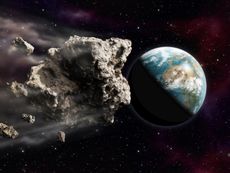 This Asteroid Has a 1-in-7,000 Chance of Hitting Earth This Fall
This fall, Earth has about a 1-in-7,000 chance of getting an uninvited extraterrestrial visitor: asteroid 2006 QV89.
asteroids -
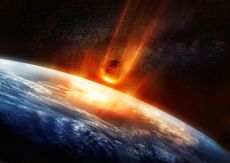 What Will Happen If an Asteroid Hits Earth? A Practice Drill On Social Media May Find Out.
What would happen if a giant asteroid slammed into Earth? The European Space Agency (ESA) anticipates a coming crash would send alarmed humans to social media.
asteroids -
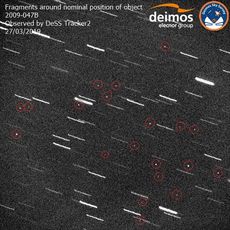 Rocket Stage Launched 10 Years Ago Disintegrates into Trail of Space Junk (Video)
The breakup created a cloud of space debris.
space-exploration -
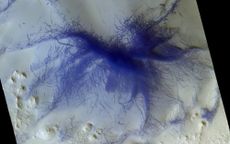 Space Orbiter Spots 'Hairy Blue Spider' on Mars
Bowie was right; there really is a "spider" from Mars.
spiders-arachnids -
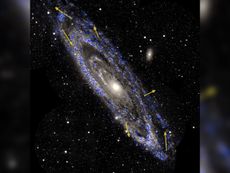 We Finally Know When Our Milky Way Will Crash Into the Andromeda Galaxy
The monster collision between our Milky Way and fellow spiral galaxy Andromeda will occur about 4.5 billion years from now, rather than in 3.9 billion years.
cosmology -
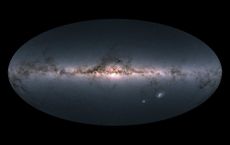 Stunning Cosmic Map Shows the Location of 1.7 Billion Stars
The stunning new map from the Gaia mission shows 1.7 billion stars in the Milky Way.
cosmology