
















'Don't Eat the Placenta,' Doctors Warn New Parents

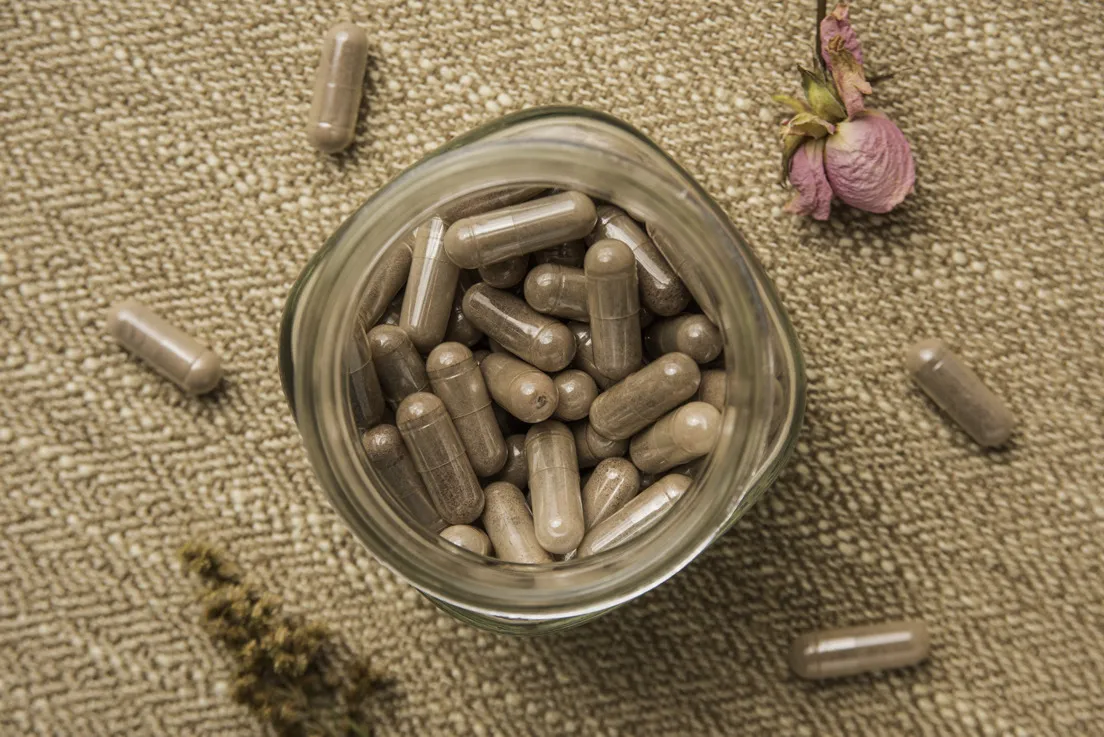
Eating the placenta after giving birth has become something of a fad, with celebrity couple Jason Biggs and Jenny Mollen being the latest to talk about sampling their afterbirth. Kim Kardashian has even posted photos on Twitter of her freeze-dried and encapsulated placenta.
Proponents of the practice, which is called "placentophagy," claim that eating the placenta can help with postpartum depression, improve lactation and increase energy. But a new review of studies finds that there are, in fact, no health benefits to eating the placenta. Instead, doing so carries risks for both the mother and her breast-feeding baby, the researchers said.
The review, which was published online in August in the American Journal of Obstetrics & Gynecology, examined the existing research on placentophagy to determine if the practice has merit. The team found that the few clinical trials that had studied placentophagy found no benefit to the practice. [5 Reasons Why Placentas Are Awesome]
"Don't eat your baby's placenta," said senior study author Dr. Amos Grünebaum, a professor of clinical obstetrics and gynecology at Weill Cornell Medical College in New York City. "There are no benefits, and there are potential risks."
These risks include viral and bacterial infections for both the breast-feeding baby and the mother, and the risks of ingesting toxins and hormones that accumulated in the placenta during pregnancy, the review found. These risks are present even when the placenta has been freeze-dried and encapsulated, or grilled.
There are no standards for processing placentas for human consumption in the U.S., and the Centers for Disease Control and Prevention (CDC) recommends avoiding placental encapsulation because it doesn't necessarily remove pathogens. As for grilling the placenta, it would have to meet the same heat requirements of other cooked meats to remove infection, the CDC says. "Steaks can be cooked raw, medium or well done," Grünebaum told Live Science. "The more raw, the more likely a contamination."
A CDC report from June highlighted the risks of not heating the placenta to a high enough temperature to kill off bacteria. In the report, CDC officials described a case in which an infant got an infection from bacteria that were present only in its mother's placenta capsules. After investigating the capsules, the CDC suggested that when the placenta was encapsulated, it wasn't heated at a high enough temperature for long enough to kill the bacteria. To do so, the placenta would have needed to be heated to 130 degrees Fahrenheit for a little over 2 hours, the CDC said.
Get the world’s most fascinating discoveries delivered straight to your inbox.
Even higher temperatures are needed to kill viruses such as HIV, Zika and hepatitis, according to the review.
But studies have discovered that even when the placenta is cooked long enough to remove viruses or bacteria, heavy metals and hormones can accumulate in the placenta, and heat wouldn't have an effect on such compounds, the review said. None of these studies found dangerous levels of toxins or hormones in placentas, but women who eat placentas often report headaches, which could be caused by a heavy metal called cadmium that built up in their placentas, the authors said.
At the Weill Cornell obstetrics hospital where Grünebaum practices, about 1 in 60 patients asks about placentophagy, Grünebaum said.
He thinks people who endorse the practice have financial motivations and take advantage of the fact that mothers are trying to do the best for their babies.
"The people who tell women they should eat placentas make good money from it," Grünebaum said. Indeed, the review authors found that it costs between $200 and $400 to encapsulate a placenta. "It's the same idea as people selling snake oil," he said.
Originally published on Live Science.
