














Do Smokers' Lungs Heal After They Quit?
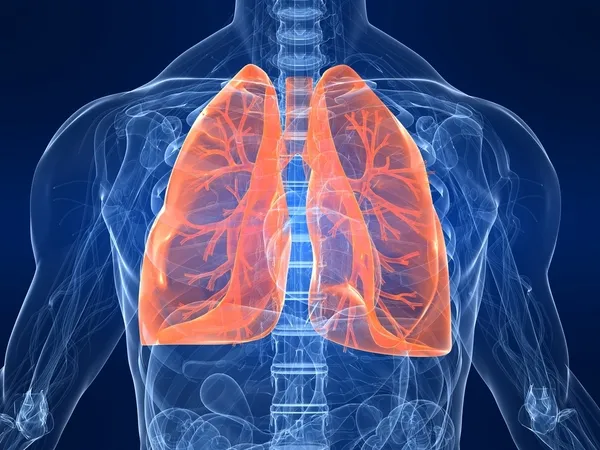
Cigarette smoke can have wide-ranging health effects on the body, and the lungs and airways are two of the hardest-hit areas.
But the good news is that after a person quits smoking, the lungs can heal to a certain extent, said Dr. Norman Edelman, a senior scientific advisor for the American Lung Association and a specialist in pulmonary medicine.
As soon as a person inhales the chemicals found in cigarette smoke, the lung's delicate lining becomes inflamed and irritated. For several hours after the individual smoked, the tiny hairs called cilia that line the lungs slow down their brush-like movement. This causes them to become temporarily paralyzed and less effective at cleaning out mucus and other substances, such as dust particles, from the airways.
Another change observed in the lungs of smokers is an increase in the thickness and production of mucus. Because cilia cannot sweep mucus out of the lungs as quickly as it's being formed, it accumulates in the airways, clogs them up and triggers a cough. A buildup of mucus can also cause more lung infections, such as chronic bronchitis. [Kick the Habit: 10 Scientific Quit-Smoking Tips]
How lungs heal
Generally speaking, some of the short-term inflammatory changes to the lungs can be reversed when people quit smoking, Edelman said. In other words, swelling subsides on the surface of the lungs and airways, and lung cells produce less mucus, he said. New cilia can grow, and these are better at clearing out mucus secretions, he added.
In the days to weeks after quitting, former smokers will notice that they have less shortness of breath when they exercise, Edelman told Live Science. It's not exactly clear why this happens, but part of it stems from getting carbon monoxide out of the blood, he said. This gas found in cigarette smoke can interfere with the transport of oxygen, because carbon monoxide binds to red blood cells in place of oxygen. This may account for the breathlessness some smokers experience.
Another reason former smokers have improved breathing is because the inflammation decreases in the lining of their airways; this happens because the lining is no longer exposed to smoke's chemical irritants, Edelman said. This reduced swelling makes more room for air to flow through the passageways.
Get the world’s most fascinating discoveries delivered straight to your inbox.
Paradoxically, former smokers may cough more during the first few weeks after they quit than when they were smoking. But this is a good thing; it means the lung's cilia are active again, and these fine hairs can now move excess mucus secretions from the lungs into the airways and toward the throat, where they can be coughed up, Edelman said.
"Coughing is cleaning up the gunk in the lungs," Edelman explained.
Another health benefit of quitting is a reduced risk for lung cancer, he said. The longer that former smokers go without lighting up, the lower their risk of getting this cancer, although the risk never completely goes away, Edelman said.
For example, 10 years after quitting smoking, a former smoker's odds of getting lung cancer are about half that of a smoker, according to the Centers for Disease Control and Prevention. But an ex-smoker is still more likely to die of lung cancer than someone who has never smoked.
Not all changes are reversible
The body is very good at repairing some of the damage to lung cells and tissues caused by smoking, but not all of the damage is reversible.
Damage to the lungs and a deterioration in lung function are directly related to the number of packs of cigarettes a person typically smokes per day times the number of years the person has smoked, a measure known as "pack years," Edelman said. The greater the pack years, the more likely the lungs will have irreversible damage, he noted.
Although the lungs have ways to protect themselves from damage, these defenses are reduced with long-term exposure to the harmful chemicals inhaled from cigarettes. As a result, lung tissue can become inflamed and scarred from smoking, and so the lungs lose elasticity and can no longer exchange oxygen efficiently.
Long-term smoking can lead to emphysema, a type of chronic obstructive pulmonary disease (COPD). This condition destroys a portion of the lungs known as the alveoli, which is where the exchange of oxygen and carbon dioxide takes place, Edelman said. People with COPD have shortness of breath and difficulty breathing.
Once a person's lungs are damaged to the point of emphysema, the walls of the airways lose their shape and elasticity, making it difficult to push all the air out of the lungs. These lung changes are permanent and irreversible, Edelman said
Using MRI imaging, scientists have recently learned that the damage to airways linked with emphysema begins a few years after a person starts smoking, although symptoms of the disease may not show up until 20 to 30 years down the road, Edelman said.
But it's never too late to quit smoking, and quitting at any age can help people breathe better and increase their life expectancy, Edelman said.
Originally published on Live Science.
Cari Nierenberg has been writing about health and wellness topics for online news outlets and print publications for more than two decades. Her work has been published by Live Science, The Washington Post, WebMD, Scientific American, among others. She has a Bachelor of Science degree in nutrition from Cornell University and a Master of Science degree in Nutrition and Communication from Boston University.