













Half of Parents Keep Kids' Leftover Painkillers at Home

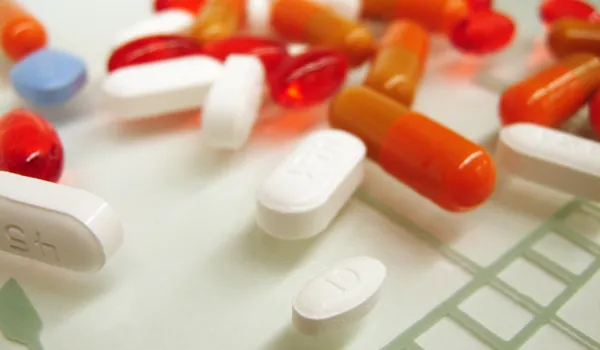
Nearly half of parents whose children were once prescribed pain medication kept the leftover pills at home, a new poll finds.
Nearly one-third of the parents who participated in the poll reported that their children had been prescribed at least one pain medication, most often related to surgery, illness or injury. Of these prescriptions, 60 percent were for opioids such as oxycodone or hydrocodone, according to the results from the C.S. Mott Children's Hospital National Poll on Children's Health.
Half of the parents reported that their children had leftover medication from the prescription, according to the poll. [The Drug Talk: 7 New Tips for Today's Parents]
"We found that the amount of pain medication prescribed for children is frequently greater than the amount used, and too few parents recall clear direction from their provider about what to do with leftover medication," Dr. Matthew Davis, a professor of pediatrics and internal medicine at the University of Michigan and the director of the poll, said in a statement.
The researchers found that 47 percent of the parents kept the extra pills at home, 30 percent disposed of the extra pills in the trash or toilet, 8 percent returned the extra pills to their doctor or pharmacy, 6 percent used the mediation for other family members, and 9 percent did not remember what they did with the extra medication. (Returning pills to the doctor's office or pharmacy, or disposing of them safely in the trash are recommended.)
In addition, the pollsters found that parents whose health care providers had discussed how to dispose of leftover medication were more likely to dispose of the medications properly. However, only one-third of parents reported receiving such instructions, the poll found.
"This is a missed opportunity to prevent prescription drug misuse among children," Davis said. Indeed, "for adolescents, a known point of access to narcotic pain medication is leftover pills from a prior prescription," he said. The poll suggests that doctors need to do a better job of explaining this risk to parents, he added.
Get the world’s most fascinating discoveries delivered straight to your inbox.
Nearly 2,000 parents participated in the national poll; all had at least one child, ages 5 to 17. The findings were published today (May 16).
Follow Sara G. Miller on Twitter @saragmiller. Follow Live Science @livescience, Facebook & Google+. Originally published on Live Science.
