













How Do Antibiotics Work?

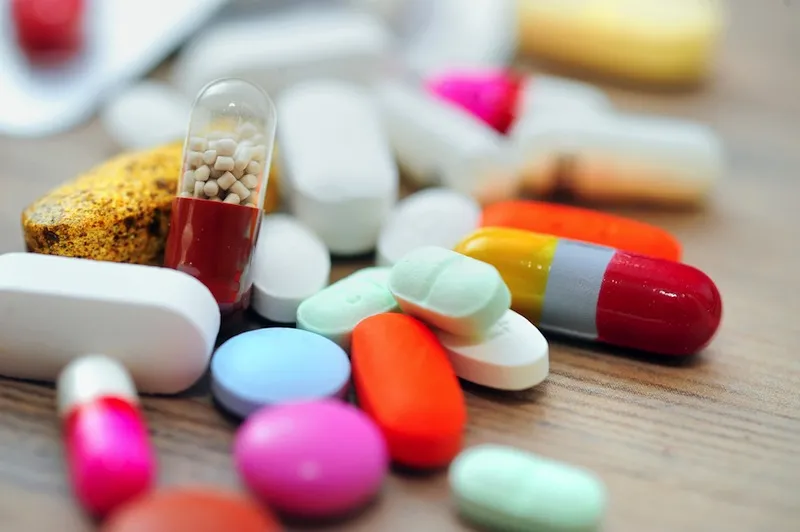
Before the 20th century, there were no effective treatments for infections caused by bacteria, including pneumonia, tuberculosis, gonorrhea, rheumatic fever and urinary tract infections. But in 1929, bacteriologist Alexander Fleming discovered the first true antibiotic, penicillin, ushering in a new age of medicine.
Since then, scientists have found dozens of antibiotics, which fight bacteria in a variety of ways.
Many antibiotics, including penicillin, work by attacking the cell wall of bacteria. Specifically, the drugs prevent the bacteria from synthesizing a molecule in the cell wall called peptidoglycan, which provides the wall with the strength it needs to survive in the human body.
But there are multiple ways to inhibit the assembly of peptidoglycan — vancomycin, for example, also interferes with peptidoglycan, but not in the same way that penicillin does.
Other antibiotics prevent successful DNA replication in bacteria. A class of antimicrobials called quinolones targets DNA gyrase, an important enzyme that helps unwind DNA for replication. By removing gyrase from the equation, ciprofloxacin and similar antibiotics effectively prevent the bacteria from multiplying.
Some antibiotics, including tetracycline, which is used to treat acne, respiratory tract infections and other conditions, inhibit protein synthesis. The drugs do this by preventing key molecules from binding to selected sites on cell structures called ribosomes, where protein synthesis occurs. Without its proteins, the bacteria can't carry out vital functions, including asexual reproduction.
Rifamycin, a group of tuberculosis-fighting antibiotics, achieves a similar effect by inhibiting the synthesis of RNA, a molecule involved in translating the body's DNA into proteins.
Get the world’s most fascinating discoveries delivered straight to your inbox.
Still other antibiotics fight infections by stopping bacteria from producing folic acid — an essential vitamin — or disputing the structure of a bacterium's cell membrane, which controls how substances move in and out of the cell.
Follow Joseph Castro on Twitter. Follow us @livescience, Facebook & Google+.
