













Meet the Castle-Raiding 'Pillage Ant'

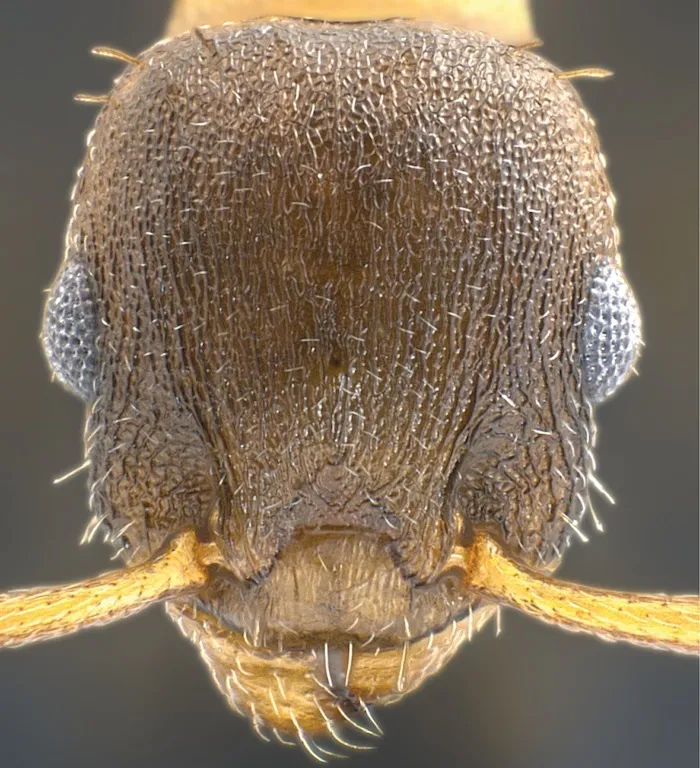
A new species of ant that raids the acorn castles of other insects and captures them as slaves has been discovered on the forest floors of the northeastern United States.
Aptly nicknamed the "pillage ant," the creature is formally called Temnothorax pilagens, which draws on the Latin word "pilere" (to pluck, plunder or pillage).
Measuring barely a tenth of an inch (2.5 millimeters) long, pillage ants invade the tiny openings in hollow nuts and acorns where their targets live. Unlike other species of slavemaker ants that attack with huge armies, T. pilagens often send a lone scout to scope out their targets and go after their victims with a raiding party of no more than four, scientists found.
Researchers who observed these ants wrote that their raids could be "highly aggressive or relatively peaceful," with a casualty rate for the attacked ranging from 5 percent to 100 percent. What makes these slave-hunting campaigns potentially deadly is that the pillagers can jab their stinger into a soft part of the slave ant's neck, delivering paralysis and a quick death.
The outlook isn't great for the ants that survive these raids; not only do pillage ants take the offspring of their targets back to their own nests, but in six of 11 raids the researchers observed, the attackers also captured adults for their slave workforce.
So far, researchers found the ants only attack the species Temnothorax longispinosus and Temnothorax ambiguous. Surprisingly, these species showed little, or at least delayed, response to their invaders when the raids began. The scientists think pillage ants have something like "chemical camouflage," which neutralizes their chemical signature and allows them to slip in unrecognized, according to a statement from the academic publisher Pensoft.
The new species was described in the journal ZooKeys by a team of researchers from Germany's University of Mainz and the Senckenberg Museum of Natural History Goerlitz.
Get the world’s most fascinating discoveries delivered straight to your inbox.
Follow Megan Gannon on Twitter and Google+. Follow us @livescience, Facebook & Google+. Original article on LiveScience.
