














Hurricane Isaac Makes Landfall

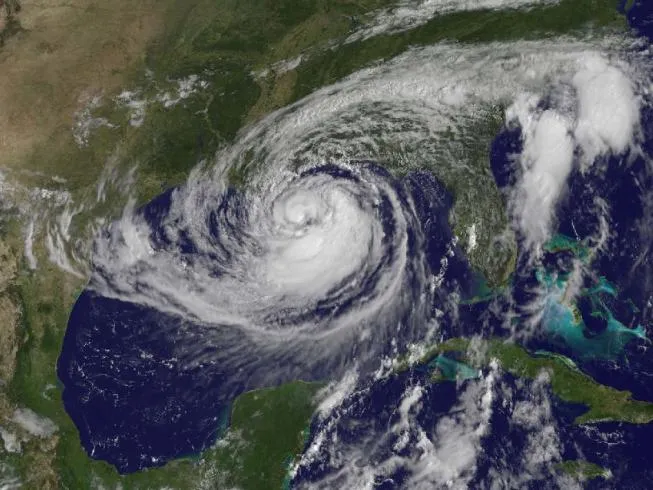
Update 7:37 a.m. EDT Wed, Aug. 29: After stalling out over water near the coast after its first landfall, Isaac made its second landfall along the southeast coast of Louisiana just west of Port Fourchon around 2:15 a.m. CDT.
Hurricane Isaac has roared ashore just before 8 p.m. ET in Louisiana's Plaquemines parish.
The storm came ashore as a Category 1 hurricane along the coast of southeastern Louisiana as expected. It made official landfall over a small spit of land near the mouth of the Mississippi River, the Weather Channel has reported. The eye of the storm is back over water and Isaac will make a second landfall tonight.
Isaac's path was eerily similar to that of Hurricane Katrina, which hit seven years ago tomorrow (Aug. 29). Despite the similarities between the storms, there were also considerable differences, including Isaac's comparative weakness.
As it came ashore, Isaac had winds of 80 mph (130 kph). Isaac is expected to weaken as it moves further inland and is cut off from the warm Gulf waters that fuel its convection.
Isaac will continue to dump rain as it moves further inland – rainfalls between 7 and 14 inches (18 to 36 centimeters) are expected.
Isaac became a hurricane — the fourth of the 2012 Atlantic hurricane season — less than a day before it made landfall.
Get the world’s most fascinating discoveries delivered straight to your inbox.

Andrea Thompson is an associate editor at Scientific American, where she covers sustainability, energy and the environment. Prior to that, she was a senior writer covering climate science at Climate Central and a reporter and editor at Live Science, where she primarily covered Earth science and the environment. She holds a graduate degree in science health and environmental reporting from New York University, as well as a bachelor of science and and masters of science in atmospheric chemistry from the Georgia Institute of Technology.