













PG-13 Films Loaded with 'Happy Violence'

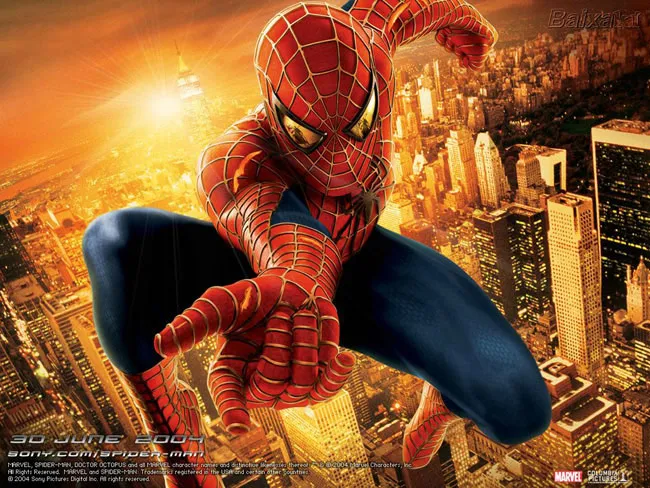
If you take a young child to the movies these days, you might find him staring placidly at the violence while you, the adult, look away. A new study suggests why kids today don't cringe at the violence in films: They don't associate violence with its natural consequences.
PG-13 films are loaded with "happy violence" that distorts the reality of pain and death, the study finds. The films generally don't portray the injury, death and shattered lives that would be consequences of violent acts off the big screen, said UCLA researcher Theresa Webb. Instead, death appears "cool, swift and painless" and young viewers can be desensitized to the violent acts.
Webb examined 77 films rated PG-13 (selected from among the top grossing films of 1999 and 2000) and found 2,251 violent actions, with almost half resulting in death. A few did contain violence that was associated with pain and suffering. But only one film, "Pay It Forward," in which the young hero is stabbed to death, contained scenes that fully demonstrate the real horror of violence. "Violence permeated nearly 90 percent of the films in this study," Webb said. "And while the explanations and causes of youth violence are very complex, the evidence is clear that media depictions of violence contribute to the teaching of violence." Many of the action films in the study are more violent than R-rated films, Webb said. She argues that Hollywood insists that its only commitment is to transport and entertain viewers but in no way to edify or transform them. "That's a cop-out," Webb said. "The science is clear that viewers do, in fact, learn from entertainment media. Indeed, popular films can act as powerful teachers engaging children and youths emotionally, even physiologically, in ways that teachers in classrooms could only hope." Webb cites "ratings creep" as one reason films have gotten so violent. "Ten years ago, a film that would have been rated R is now being rated PG-13," she said.
- TV Turns Kids into Bullies
- Multimedia Babies: What's a Parent to Do?
- Video Games Not to Blame for Violence
Get the world’s most fascinating discoveries delivered straight to your inbox.

Robert is an independent health and science journalist and writer based in Phoenix, Arizona. He is a former editor-in-chief of Live Science with over 20 years of experience as a reporter and editor. He has worked on websites such as Space.com and Tom's Guide, and is a contributor on Medium, covering how we age and how to optimize the mind and body through time. He has a journalism degree from Humboldt State University in California.