
 Live Science Plus


American Ebola Survivors Are Likely Immune to Virus Strain Now

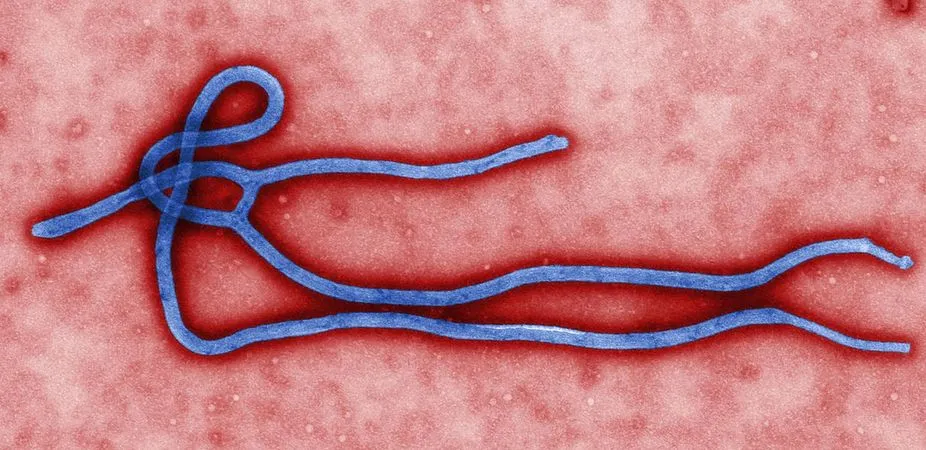
The two American Ebola patients who recovered and left the hospital this week are now thought to be immune to the strain of the virus that infected them, experts say. Ebola survivors are generally believed to be immune to future infection with the virus strain that made them sick.
"There is strong epidemiological evidence that once an individual has resolved an Ebola virus infection, they are immune to that strain," Dr. Bruce Ribner, director of the infectious disease unit at Emory University Hospital in Atlanta, told reporters Thursday (Aug. 21). [Ebola Virus: 5 Things You Should Know]
Dr. Kent Brantly and Nancy Writebol contracted the Ebola virus while caring for patients in the current Ebola outbreak in West Africa. They received an experimental drug, and were flown to the United States, where they recovered. Tests showed both patients were free of the Ebola virus after spending three weeks in the hospital.

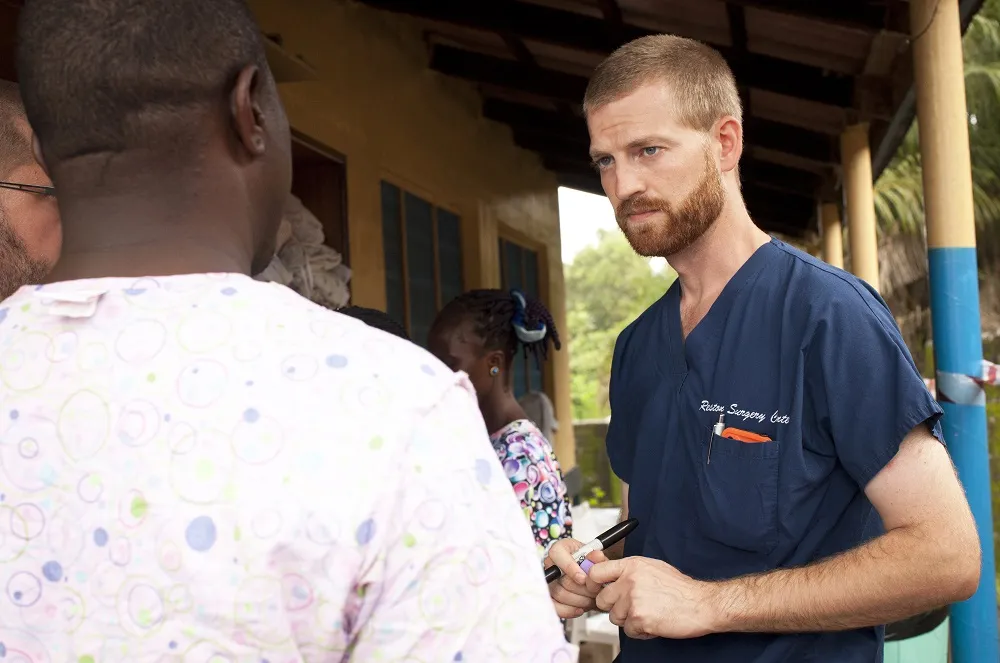
Assuming that Brantly and Writebol continue to recover, they would not be at risk of becoming sick again with Ebola if they were to decide to return to Africa, Ribner said. "They would probably not be at risk for infection if they were caring for patients with Ebola disease during this outbreak," he said.
Studies of blood samples taken from Ebola survivors a few years after they became infected with the virus show that these people have developed antibodies that can neutralize the Ebola virus. This suggests that Ebola survivors are immune to the disease, and will not get infected again.
However, no one has tested what really happens if a survivor is exposed to the virus for a second time. Ribner said it is not clear whether survivors become immune to all strains of the Ebola virus or only the one that infected them, nor is it clear how long this immunity lasts.
There are five known species of the Ebola virus. The current outbreak is caused by Zaire Ebola virus, which is the deadliest type. In previous outbreaks involving this strain, only 10 percent of patients have survived the infection.
In the current outbreak, about 47 percent of people infected with the virus have survived, according to the World Health Organization. It is possible that early treatment efforts have played a role in improving survival rates in this outbreak.
It is not clear which biological factors may determine a person's chance of surviving Ebola, but a stronger immune system appears to be one important factor. Also, laboratory evidence suggests that some people with a genetic mutation may be entirely resistant to Ebola infection.
The doctors still don't know if the experimental drug played any role in helping the American Ebola patients survive, but patients' better nutrition and stronger immune systems may have helped their recovery, Ribner said.
Email Bahar Gholipour. Follow Live Science @livescience, Facebook & Google+. Originally published on Live Science.
