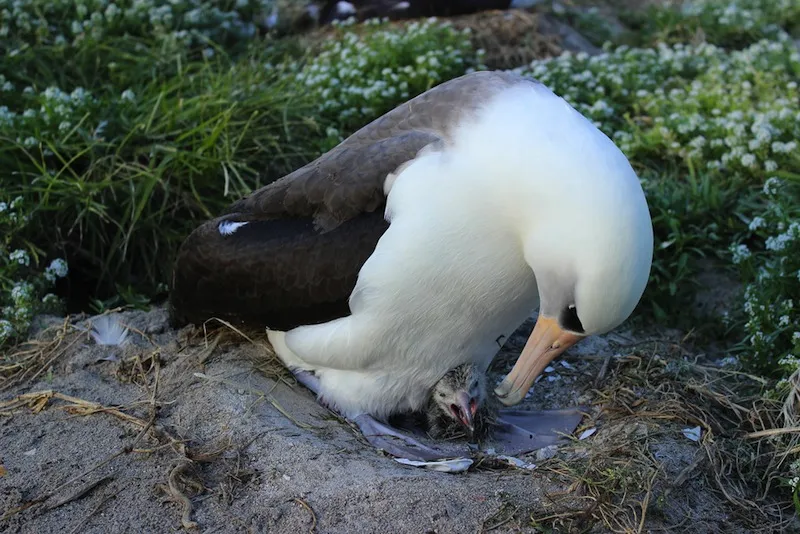
Oldest Known Bird Hatches a New Chick
Get the world’s most fascinating discoveries delivered straight to your inbox.
You are now subscribed
Your newsletter sign-up was successful
Want to add more newsletters?
Delivered Daily
Daily Newsletter
Sign up for the latest discoveries, groundbreaking research and fascinating breakthroughs that impact you and the wider world direct to your inbox.
Once a week
Life's Little Mysteries
Feed your curiosity with an exclusive mystery every week, solved with science and delivered direct to your inbox before it's seen anywhere else.
Once a week
How It Works
Sign up to our free science & technology newsletter for your weekly fix of fascinating articles, quick quizzes, amazing images, and more
Delivered daily
Space.com Newsletter
Breaking space news, the latest updates on rocket launches, skywatching events and more!
Once a month
Watch This Space
Sign up to our monthly entertainment newsletter to keep up with all our coverage of the latest sci-fi and space movies, tv shows, games and books.
Once a week
Night Sky This Week
Discover this week's must-see night sky events, moon phases, and stunning astrophotos. Sign up for our skywatching newsletter and explore the universe with us!
Join the club
Get full access to premium articles, exclusive features and a growing list of member rewards.
The world's oldest known wild bird just became a mother again.
The 63-year-old Laysan albatross named Wisdom was spotted taking care of her newborn earlier this month on the Midway Atoll National Wildlife Refuge, according to the U.S. Fish and Wildlife Service.

Biologists banded Wisdom in 1956 as she incubated an egg and have been following her ever since. The tough old bird has hatched a new chick for the past seven years in a row and has likely raised more than 30 chicks in her lifetime. She also survived a 2011 tsunami, which claimed 2,000 of her fellow adult albatrosses and about 110,000 chicks in the Midway wildlife refuge, an island habitat in the middle of the North Pacific.
"Her ability to continue to hatch chicks during the last half century is beyond impressive despite the threats that albatross face at sea," refuge biologist Pete Leary said in a statement. For example, flying fish eggs are a key part of the albatross diet, but flying fish sometimes attach their eggs to bits of discarded plastic floating at sea, Leary explained.
Though the sea-faring albatross (Phoebastria immutabilis) lays only one egg a year, mothers spend much of their year incubating and raising their chick, according to FWS officials.
Follow Megan Gannon on Twitter and Google+. Follow us @livescience, Facebook & Google+.
Get the world’s most fascinating discoveries delivered straight to your inbox.